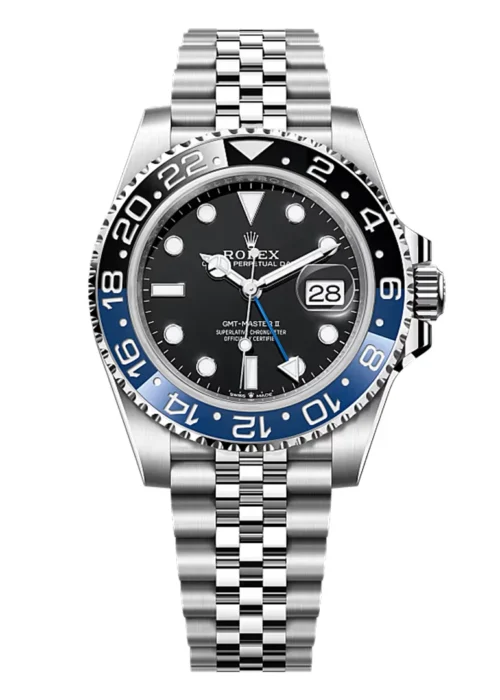
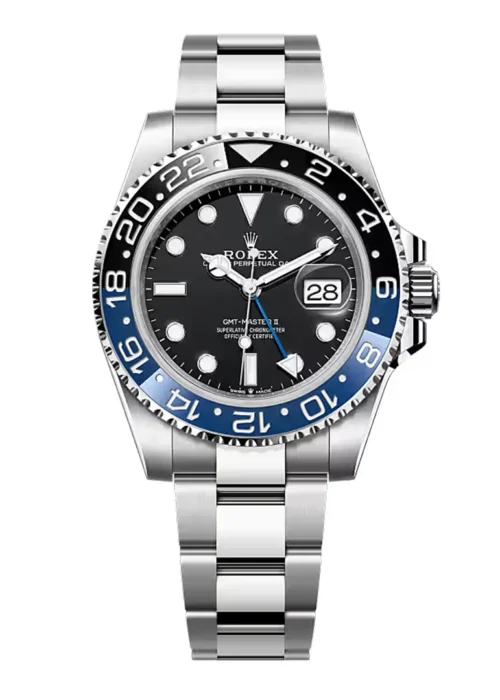
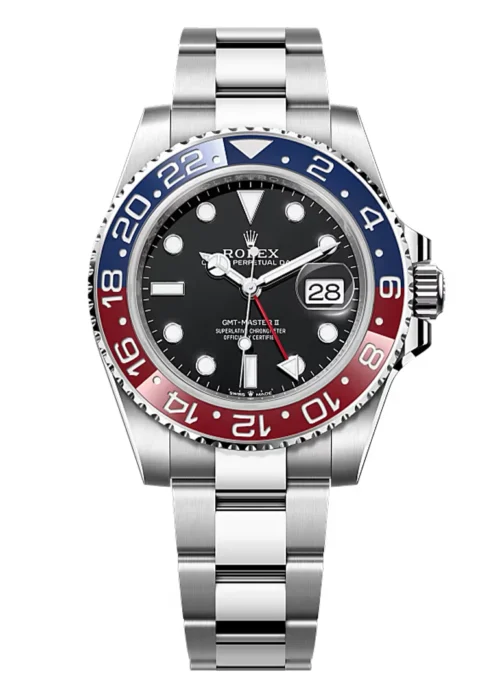
 USD
USD  (GBP £)


Beneath the Surface: The Dive Watch Odyssey and the Art of Accessible Luxury
In 1953, as Jacques Cousteau’s aqua-lung was rewriting humanity’s relationship with the ocean, a quiet revolution was unfolding on the wrists of explorers. The modern dive watch was born—not as a luxury accessory, but as a life-saving instrument. Today, that utilitarian tool has evolved into one of horology’s most beloved archetypes, a canvas where engineering precision meets enduring style. The question facing today’s collector is no longer whether to acquire a dive watch, but rather: how does one navigate the vast sea of options between iconic grails and the compelling rise of accessible luxury alternatives?
The Birth of an Icon: How the Dive Watch Conquered the Depths
The story begins with a problem. Professional divers in the 1950s needed a timepiece that could withstand the crushing pressures of the deep while remaining legible in murky waters. The solution emerged almost simultaneously from two houses: Blancpain’s Fifty Fathoms and Rolex’s Submariner. Both introduced the rotating bezel—a deceptively simple innovation that allowed divers to track elapsed oxygen with a single glance.
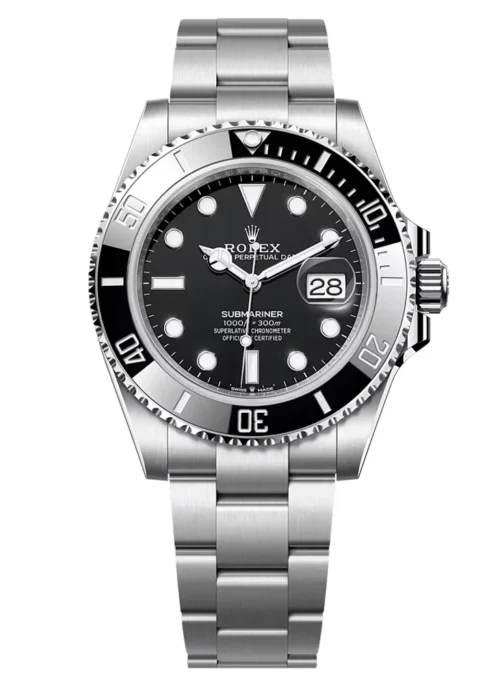
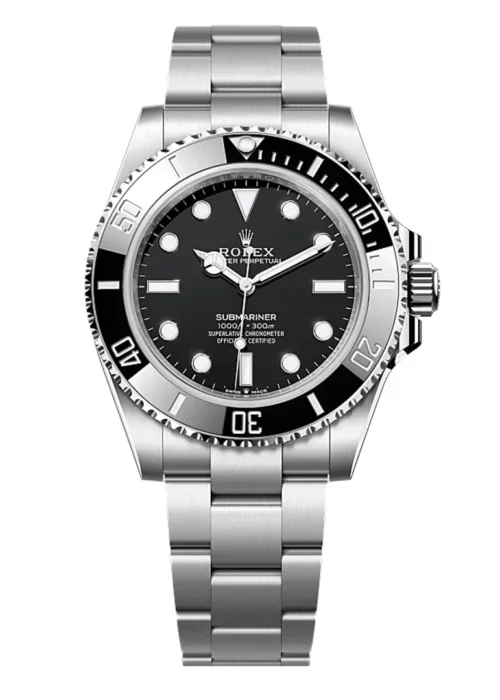
The Submariner, in particular, captured the public imagination. Its robust Oyster case, luminescent markers, and unidirectional bezel set a template that the entire industry would follow. What began as professional equipment soon transcended its origins. Sean Connery wore one as James Bond. Marine biologists relied on it. And collectors began to recognise something profound: this was mechanical poetry engineered for purpose.
The dive watch represents a rare fusion in design history—an object whose aesthetic beauty is inseparable from its functional integrity.
What Defines a Great Dive Watch? A Connoisseur’s Buying Guide
For those embarking on the journey of acquisition, this best luxury diver watch buying guide distills the essentials into four pillars that separate the exceptional from the merely adequate.
Water Resistance: Beyond the Numbers
A genuine dive watch must offer at least 200 metres of water resistance. However, the figure alone tells an incomplete story. What matters equally is the integrity of the case construction—the gaskets, the screw-down crown, the crystal seal. A well-engineered watch at 200 metres can outperform a poorly constructed one rated for 300.
Legibility: The Glow That Saves Lives
Luminescence is not decoration; it is doctrine. The finest dive watches employ Super-LumiNova or proprietary luminous compounds applied generously to hands, indices, and the bezel pip. In the total darkness of the ocean, these glowing markers become the diver’s only companions.
The Bezel: Your Underwater Companion
A smooth, precise rotating bezel with crisp 120-click action is non-negotiable. The ceramic bezel insert, popularised by modern icons, offers scratch resistance that aluminium inserts simply cannot match. Yet some purists still prefer the vintage warmth of a gently faded aluminium bezel—a patina that tells its own story.
Case Architecture and Wearability
Modern collectors increasingly value versatility. A dive watch should transition effortlessly from wetsuit to worsted wool. Here, proportions matter: case thickness, lug-to-lug distance, and overall diameter dictate whether a watch commands the wrist or dominates it.
The Rise of Accessible Luxury: Craftsmanship Without Compromise

The landscape has shifted dramatically. Where once the choice was binary—authentic luxury or mass-produced compromise—a new category has emerged. Accessible luxury alternatives now offer mechanical movements, 316L stainless steel construction, and sapphire crystals at price points that invite rather than exclude.
This democratisation of quality owes much to advances in manufacturing and the globalisation of supply chains. The same CNC machines that produce cases for Swiss maisons now serve independent workshops across the world. The tolerances have tightened. The materials have improved. The gap has narrowed to something measured in nuance rather than miles.
The modern collector understands that provenance matters, but so does value. A watch that delivers the vast majority of the experience at a fraction of the cost is not a compromise—it is a different kind of wisdom.
Material Matters: Why 316L Stainless Steel Endures
The choice of case material reveals much about a manufacturer’s priorities. A high-quality 316L stainless steel watch offers corrosion resistance superior to standard 304 steel, thanks to its molybdenum content. This is the same alloy specified by Swiss watchmakers for professional-grade timepieces. When brushed and polished with care, 316L steel possesses a lustre that rivals far more expensive precious metals.
The finishing tells the deeper story: the sharp transition between brushed surfaces and polished chamfers, the consistency of the grain, the absence of tool marks. These details, once exclusive to watches costing five figures, now appear on timepieces accessible to the passionate enthusiast.
The Heartbeat Within: Automatic Movements and Their Legacy
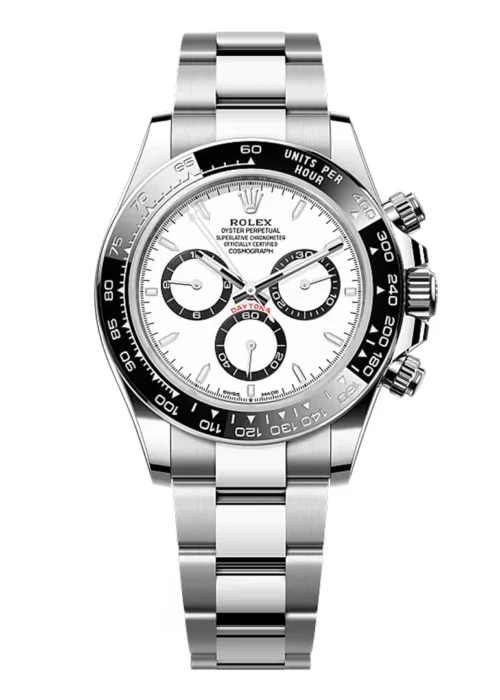
No discussion of dive watches is complete without acknowledging the soul within the case. A rolex automatic movement—specifically calibres like the 3135 or the contemporary 3235—represents the benchmark: chronometer-certified, robust, and engineered for decades of service. The Parachrom hairspring offers resistance to magnetic fields. The free-sprung balance improves isochronism.
Yet the broader world of automatic horology has never been more vibrant. Japanese and Chinese manufacturers now produce calibres with hacking seconds, hand-winding capability, and power reserves exceeding 70 hours. Some are decorated with Geneva stripes and perlage that would have been unthinkable at their price point a decade ago.
For the collector building a diversified rotation, an automatic movement that keeps reliable time and offers the tactile pleasure of a smooth winding experience can deliver profound satisfaction—regardless of the name engraved on the rotor.
Design DNA: From the Oyster Case to the Blue Dial
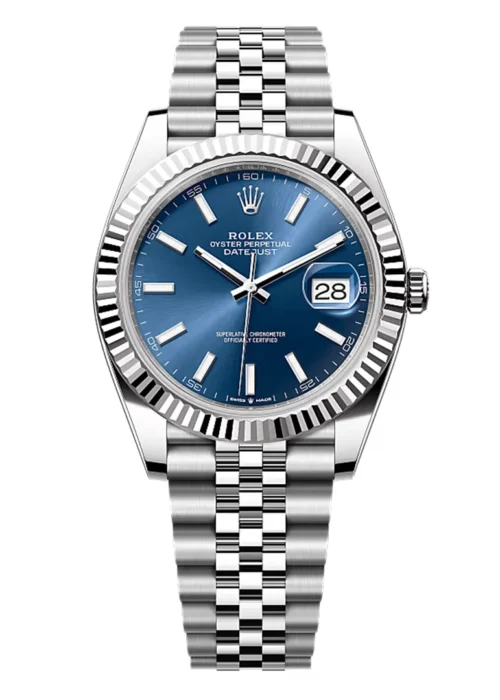
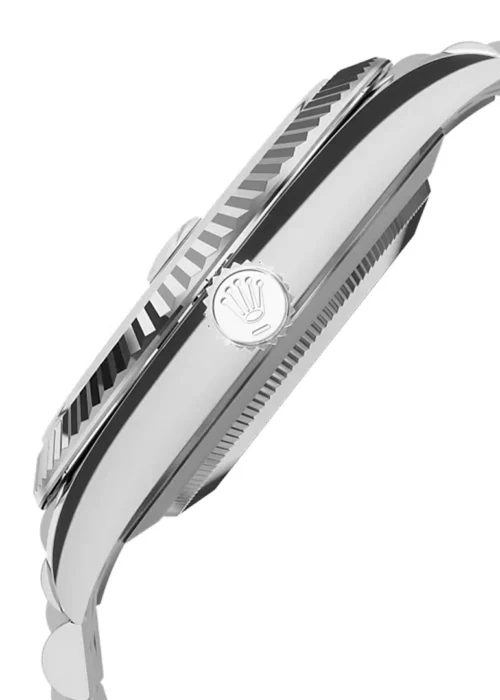
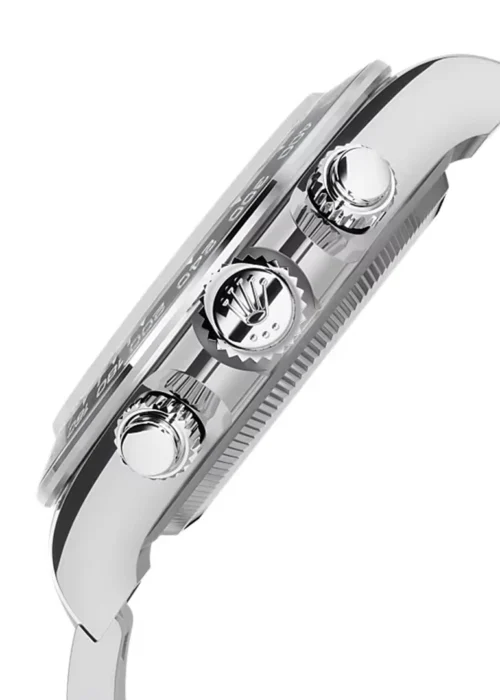
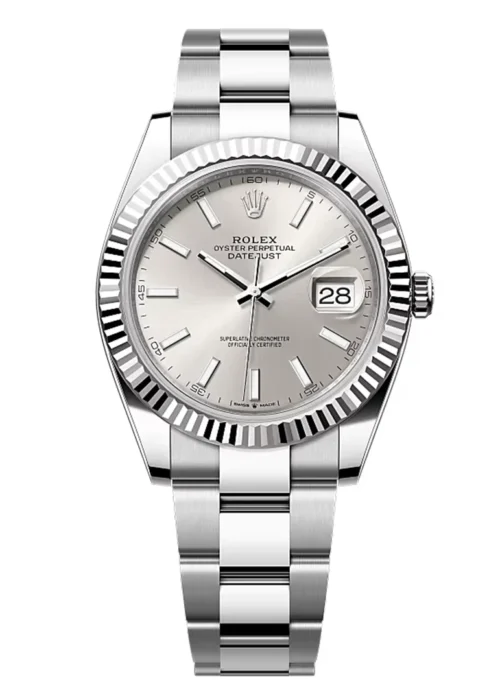
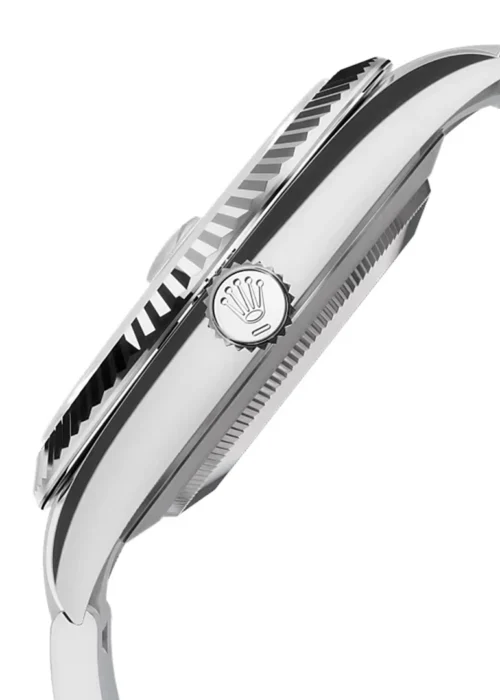
The smooth bezel oyster perpetual aesthetic occupies a revered position in watch design. The Oyster case profile—with its elegantly curved flanks, screw-down crown guards, and seamless integration of bracelet to case—has influenced virtually every dive watch that followed. It is simultaneously robust and refined, a shape so resolved that altering it almost invariably diminishes it.
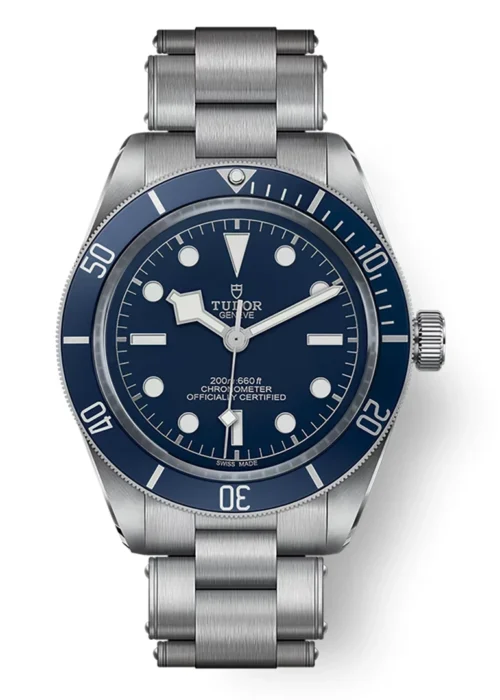
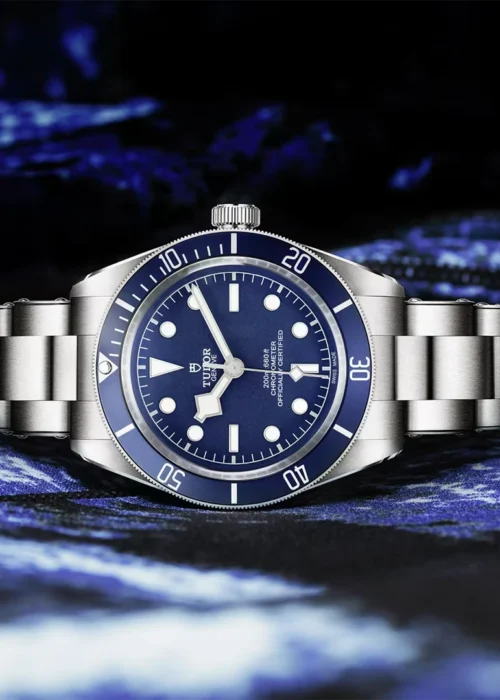
Similarly, the blue dial oyster homage has become a genre unto itself. From the deep, almost-black navy of classic references to the sunburst cerulean of more accessible interpretations, blue connects the watch to the element it was designed to conquer. A well-executed blue dial shifts in character with the light—subdued indoors, electrifying under direct sun.
For those whose wrists favour classical proportions, the 36mm dress watch demonstrates that dive-derived design need not be oversized. A 36mm case, when proportioned thoughtfully, offers a wearing experience of quiet confidence. It slides under a shirt cuff. It never announces itself. And yet, to those who know, it speaks volumes.
Comparative Landscape: Iconic vs. Accessible
| Feature | Iconic Luxury Diver | Accessible Luxury Alternative |
|---|---|---|
| Case Material | 904L or 316L Stainless Steel | 316L Stainless Steel |
| Bezel | Ceramic Insert, 120-Click | Ceramic or Aluminium Insert, 120-Click |
| Movement | In-House Automatic, COSC | Reliable Automatic (Japanese/Chinese) |
| Water Resistance | 300m+ | 200m–300m |
| Crystal | Sapphire with AR Coating | Sapphire Crystal |
| Price Range | $9,000–$40,000+ | $200–$1,500 |
| Best For | Heirloom Investment | Daily Wear, Enthusiast Exploration |
Fascinating Facts: The Dive Watch Chronicles
- The Bond Connection: The Submariner ref. 6538 worn by Sean Connery in Dr. No (1962) lacked the crown guards that would become standard on later models. Today, this “Big Crown” reference is among the most coveted vintage watches, with well-preserved examples exceeding six figures at auction.
- Helium Escape Valves: Professional saturation divers breathing heliox gas mixtures discovered that helium atoms could penetrate watch seals during decompression, causing crystals to pop off. The helium escape valve—a one-way pressure release—was the ingenious solution, first commercialised by Rolex and Doxa in the late 1960s.
- The Fifty Fathoms Secret: Blancpain’s original Fifty Fathoms was developed in close collaboration with French combat swimmers. The name refers to the maximum depth a combat diver could reach with 1950s equipment—approximately 91 metres, or fifty fathoms.
- Ceramic Revolution: Rolex introduced the Cerachrom bezel insert in 2005. The material is virtually scratch-proof, immune to UV fading, and requires diamond-tipped tools to machine—a testament to how far dive watch materials have evolved from the painted aluminium bezels of the 1950s.
A Timepiece That Tells Your Story
A dive watch is more than the sum of its specifications. It is a companion that accompanies you through life’s depths and surfaces—literal and metaphorical. Whether you find yourself drawn to the storied provenance of a Swiss icon or the honest craftsmanship of an accessible luxury timepiece, the essential qualities remain the same: reliability, legibility, and a design language refined over seven decades of continuous evolution.
The ocean does not ask about the name on your dial. It only asks whether you are ready for the descent. The finest dive watches, across every tier of the market, answer that question with quiet, mechanical confidence. Every scratch earned becomes part of your narrative. Every glance at the dial connects you to a lineage of explorers, divers, and dreamers who understood that the best timepieces are not merely worn—they are lived.