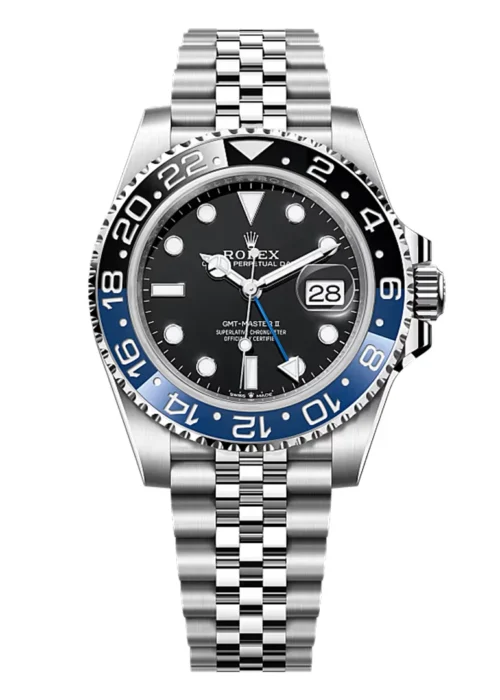
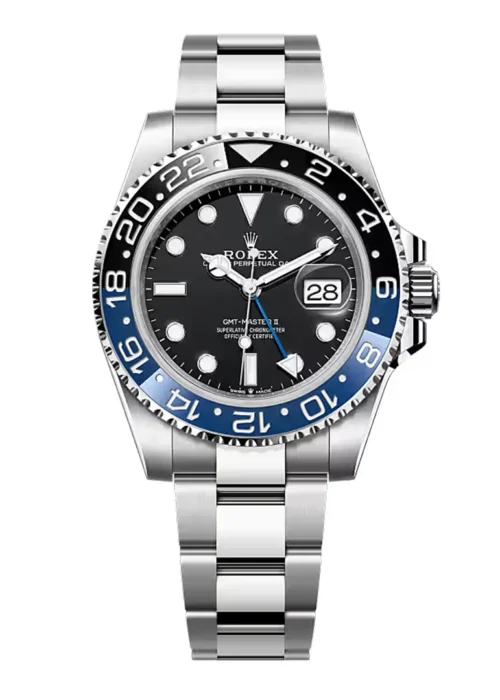
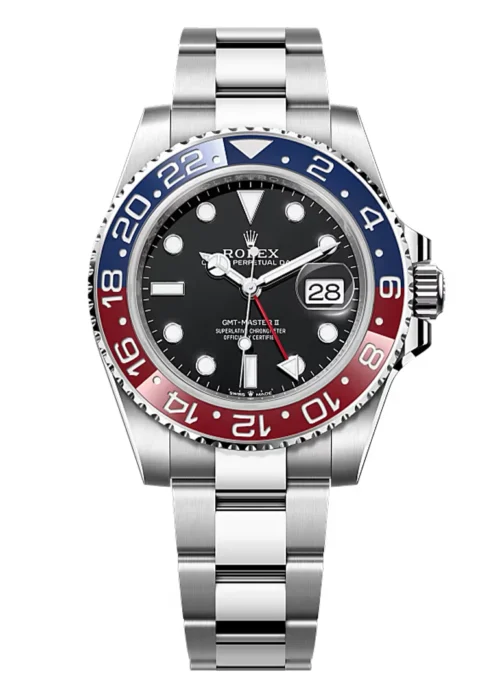
 USD
USD  (GBP £)


Let’s be direct: the modern luxury diver watch market is overwhelming. Between boutique microbrands, heritage Swiss maisons, and the seemingly endless stream of new releases, even seasoned collectors can experience decision paralysis. You are not here to gamble. You are here because you want a precision timepiece that honors the iconic dive watch silhouette—robust, versatile, and impeccably finished—without the multi-year waitlist or the six-figure entry point that certain flagship models demand. This is an entirely reasonable position, and frankly, the current landscape of accessible luxury alternatives has never been stronger.
I have spent over a decade advising executives, professionals, and connoisseurs on watch acquisitions that they will not regret six months after the honeymoon phase fades. The criteria are always the same: build quality that inspires confidence, mechanical integrity that rewards daily wear, and design language that transitions seamlessly from a boardroom meeting to a weekend sail. Below is my distilled framework, refined across hundreds of client consultations.
30-Second Quick Buying Checklist
Before you invest another minute comparing dial textures, run through this decision filter. If a timepiece fails any single criterion below, eliminate it from consideration.
- Case diameter: Must fall between 38mm and 42mm. Anything larger becomes a fashion statement rather than a wearable instrument. Anything smaller lacks the wrist presence expected of a modern diver.
- Water resistance: Minimum 200m (20 ATM) with a screw-down crown. A 100m rating is a desk diver at best—fine for handwashing, inadequate for actual aquatic confidence.
- Crystal: Sapphire crystal with anti-reflective coating. Mineral glass is a non-negotiable dealbreaker at this tier.
- Movement: Automatic mechanical, preferably an NH35, Miyota 9015, or Swiss ETA/Sellita derivative. Quartz has its place; this category is not that place.
- Bracelet: Solid link stainless steel with a milled clasp. Folded links and pressed clasps audibly announce cost-cutting every time you handle the watch.
- Lume: Swiss Super-LumiNova or Japanese equivalent (C3/BGW9). If the lume fades to illegibility within 20 minutes, you have been sold decoration, not a tool.
Retain these six criteria. They will protect you from the most common and costly purchasing errors.
Key Factors to Consider Before Investing
Case Dimensions and Wrist Compatibility
The single most common post-purchase regret I encounter—far exceeding movement disappointment or bezel alignment complaints—is improper case sizing. A diver watch should anchor your wrist, not overwhelm it. Here is the calculus: measure your wrist circumference in millimeters, then apply the lug-to-lug measurement of any watch under consideration. The lug-to-lug span should not exceed 85% of your wrist width (the flat plane visible when you look down at your wrist). For a 7-inch (178mm) wrist, this translates to a maximum lug-to-lug of approximately 50mm, which comfortably accommodates most 40mm–42mm case designs.
Bezel design also matters. A slim, unidirectional 120-click ceramic bezel with clear, engraved markings creates a visual frame that can make a 42mm case wear closer to a 40mm. Conversely, a thick steel bezel with a narrow dial aperture can make even a 40mm case feel disproportionately small. Always examine the dial-to-bezel ratio in profile photography before committing.
Water Resistance: The 200m Threshold
There is a technical distinction that merits attention. A watch rated to 200m water resistance has been static-pressure tested in a laboratory environment. It is not an invitation to dive to 200 meters. Real-world dynamic pressure—the force of your arm entering water, the turbulence of swimming—can momentarily exceed static ratings. This is precisely why ISO 6425 certification exists for genuine dive watches, and why 200m is widely regarded as the minimum threshold for any timepiece you intend to expose to more than surface-level moisture.
For daily confidence, look for a screw-down crown with double or triple gasket seals and a screw-down caseback. These are not marketing flourishes; they are the difference between a watch that survives a decade of poolside summers and one that fogs up after an enthusiastic shower.
Automatic vs. Quartz: The Movement Question
I address this directly because every client asks it. At the accessible luxury tier, an automatic mechanical movement—specifically the Seiko NH35 series, the Miyota 9000 family, or Swiss Sellita SW200 derivatives—represents the sweet spot of reliability, serviceability, and horological credibility. These movements offer hacking seconds (the seconds hand stops when you pull the crown, enabling precise time-setting), hand-winding capability, and a power reserve of approximately 40–41 hours.
Quartz movements are undeniably more accurate and require less maintenance. They are also, in this category, the less emotionally resonant choice. A diver watch is, at its core, a mechanical instrument. The sweep of a seconds hand across a sunburst dial, the muted rotor oscillation perceptible through a solid caseback—these tactile details compound over years of ownership into something quartz cannot replicate.
Bracelet Quality: Solid Links, Milled Clasps
The bracelet is not an accessory to the watch head; it is half the wearing experience. Solid end links that mate flush against the case lugs eliminate the rattling that plagues lesser constructions. A milled clasp—sculpted from a solid block of steel rather than stamped from sheet metal—provides tactile satisfaction every time you close it. Look also for on-the-fly micro-adjustment: the ability to extend or retract the bracelet by several millimeters without tools. Your wrist will swell in summer heat and contract in air-conditioned offices. A tool-free adjustment mechanism transforms daily comfort.
Top Recommendations and Configuration Setup
Best Accessible Luxury Value Proposition
The contemporary homage market has matured dramatically in the past five years. Where once the options were limited to obvious clones with compromised movements, today’s most compelling offerings feature original design language inspired by—rather than copied from—the iconic Submariner profile. Look for models equipped with an NH35 automatic movement, a 120-click unidirectional bezel with a ceramic insert, sapphire crystal with anti-reflective underside coating, and a solid link steel bracelet with a milled clasp and glide-lock-style micro-adjustment.
At this tier, expect to encounter 316L stainless steel cases (rather than 904L, which is perceptibly whiter in tone but functionally indistinguishable for daily wear), applied indices rather than printed dial markers, and C3 or BGW9 Super-LumiNova that delivers genuine low-light legibility. These are the markers of a factory that has invested in tooling and quality control rather than maximum margin extraction.
Best Elevated Craftsmanship Option
If your budget allows for a meaningful step up, seek out models featuring Sellita SW200 or Miyota 9015 movements—both are thinner than the NH35, enabling slimmer case profiles that slide under a dress shirt cuff with greater ease. You should also expect a ceramic bezel insert with engraved, platinum-coated or liquid-metal-filled numerals (rather than printed markings that will fade), and a bracelet with fully articulated links that conform to the wrist rather than creating awkward gaps.
At this level, dial finishing becomes discernibly superior. Look for vertically brushed or sunburst surfaces with no visible particulate under magnification, perfectly aligned applied indices, and date wheels with color-matched backgrounds. These are the details that separate a watch you wear for two years from one you keep for two decades.
Best Daily-Wear Workhorse
The ideal daily diver is not the most expensive or the most technically ambitious. It is the one you will actually wear without anxiety. A 40mm case in brushed stainless steel (hiding scratches better than polished surfaces), a black or deep navy dial (matching everything in your wardrobe), and a movement with proven long-term parts availability (the NH35 remains the gold standard here). This watch should be comfortable enough to forget you are wearing it, legible enough to read at a glance, and robust enough that a doorframe collision elicits a shrug rather than a gasp.
Feature and Specification Comparison Matrix
The following matrix compares four representative configurations across the metrics that matter most. Use this as a reference framework when evaluating any diver watch in this category.
| Specification | Entry-Level Accessible | Mid-Tier Craftsmanship | Premium Homage | Swiss Alternative |
|---|---|---|---|---|
| Case Diameter | 40mm | 41mm | 40.5mm | 41mm |
| Lug-to-Lug | 48mm | 47.5mm | 48.5mm | 47mm |
| Case Material | 316L Stainless Steel | 316L Stainless Steel | 316L Stainless Steel | 316L Stainless Steel |
| Bezel Insert | Ceramic, Printed Markers | Ceramic, Engraved Markers | Ceramic, Platinum-Coated | Ceramic, Liquid Metal |
| Crystal | Flat Sapphire, AR Coating | Domed Sapphire, AR Coating | Flat Sapphire, AR Coating | Domed Sapphire, AR Coating |
| Movement | Seiko NH35 Automatic | Miyota 9015 Automatic | Seiko NH35 Automatic | Sellita SW200 Automatic |
| Power Reserve | ~41 Hours | ~42 Hours | ~41 Hours | ~38 Hours |
| Water Resistance | 200m / 20 ATM | 200m / 20 ATM | 200m / 20 ATM | 300m / 30 ATM |
| Bracelet | Solid Links, Milled Clasp | Solid Links, Milled Clasp, Micro-Adjust | Solid Links, Milled Clasp | Solid Links, Milled Clasp, Micro-Adjust |
| Lume | C3 Super-LumiNova | BGW9 Super-LumiNova | C3 Super-LumiNova | Swiss Super-LumiNova |
| Best Suited For | Daily Wear, First Acquisition | Business Casual, Dress Versatility | Weekend, Active Lifestyle | Collection Anchor, Heirloom Intent |
Every watch in this matrix meets the six baseline criteria established in the Quick Buying Checklist. The differences lie in refinement, not fundamental quality. Your choice should be guided by which specific attribute—movement thinness, bezel tactility, lume color temperature, or bracelet adjustability—delivers the most personal satisfaction.
Real-World Stock Inspection and Craftsmanship Details
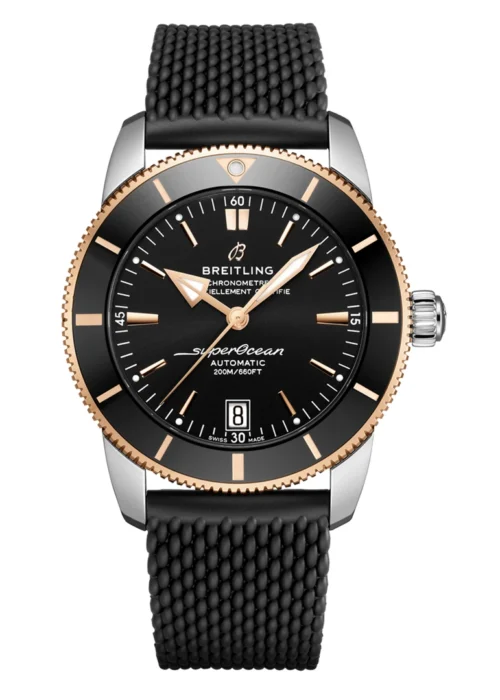
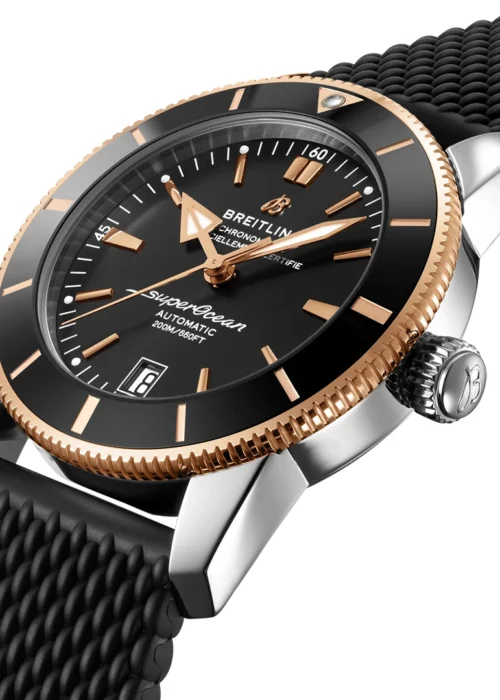
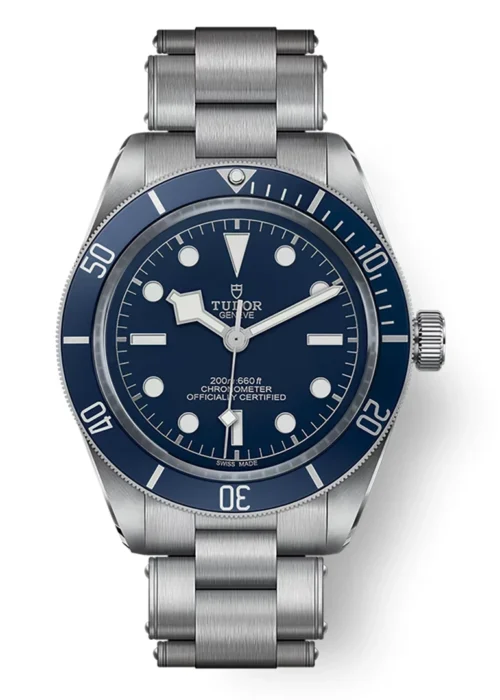
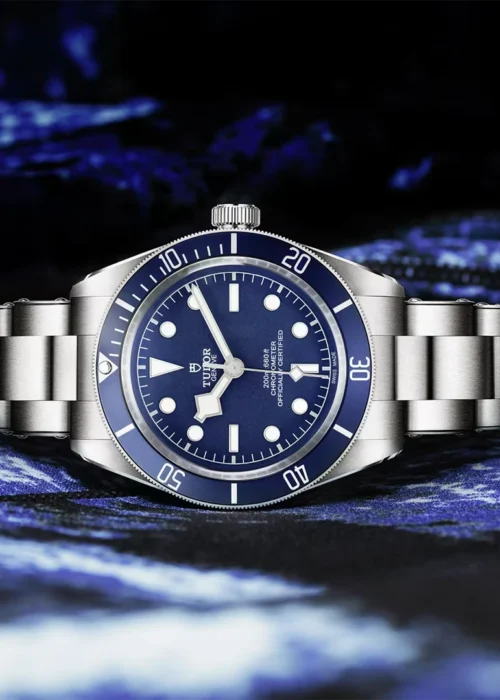
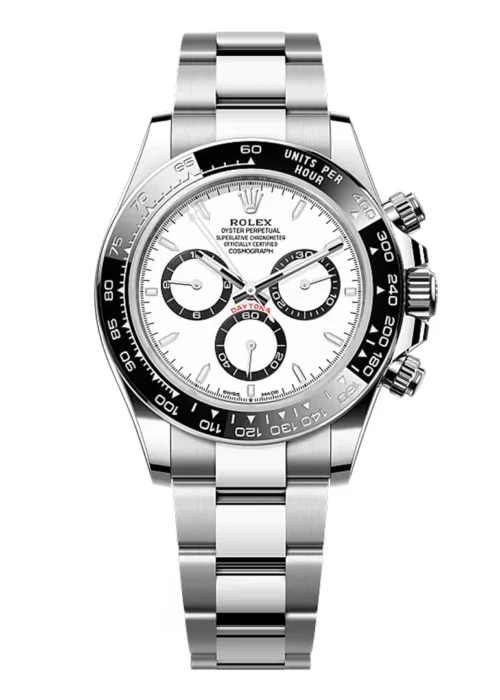
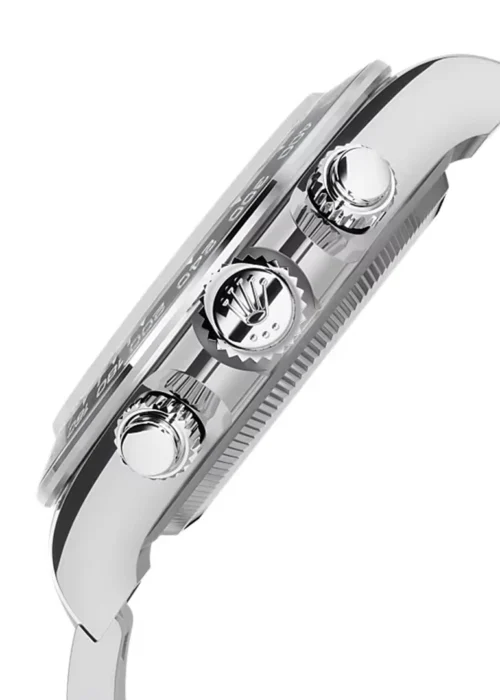
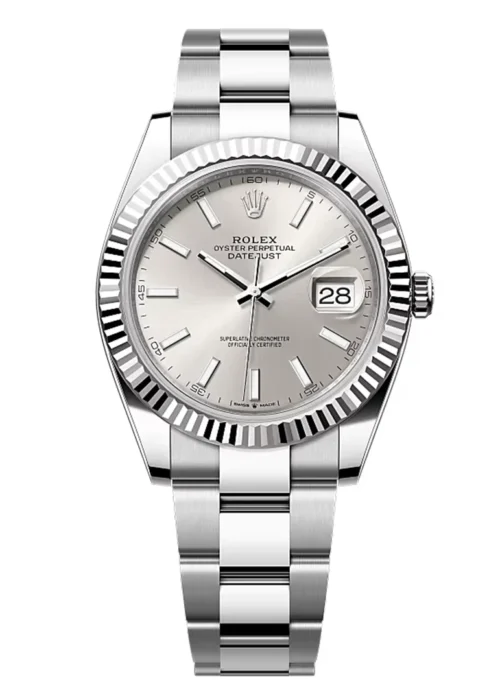
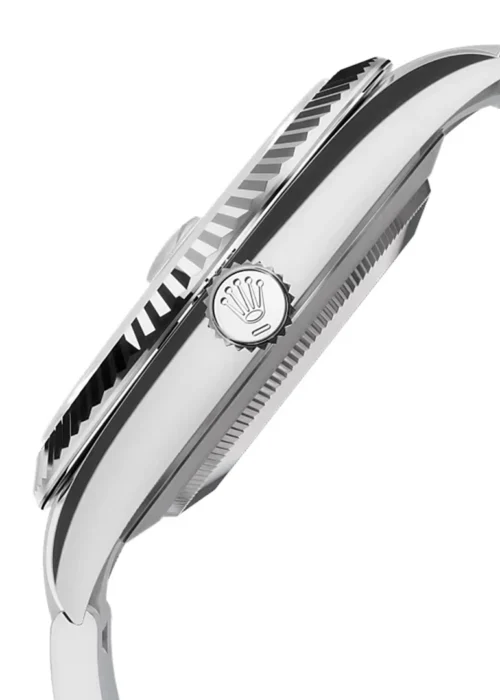
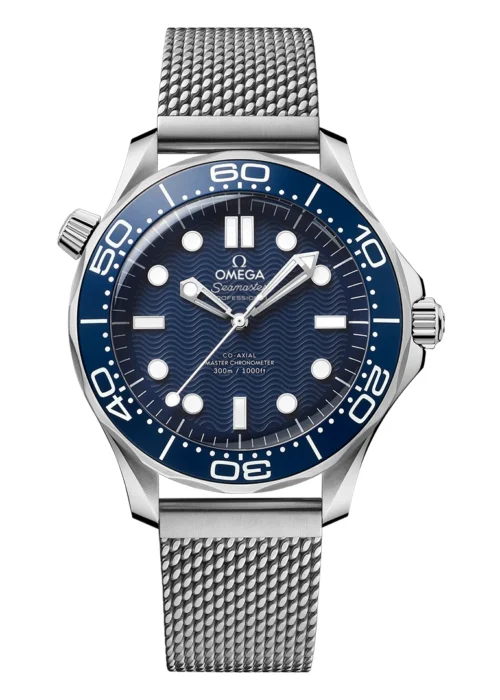
Photography on a brand’s website is useful for establishing baseline aesthetics, but it rarely reveals the nuances that matter: the alignment of bezel insert at 12 o’clock, the consistency of brushing on the case flanks, the absence of gap between end link and lug. This is precisely why I maintain that any serious evaluation requires examining high-resolution, unedited stock photography—the kind that reveals, rather than conceals, a timepiece’s finishing quality.
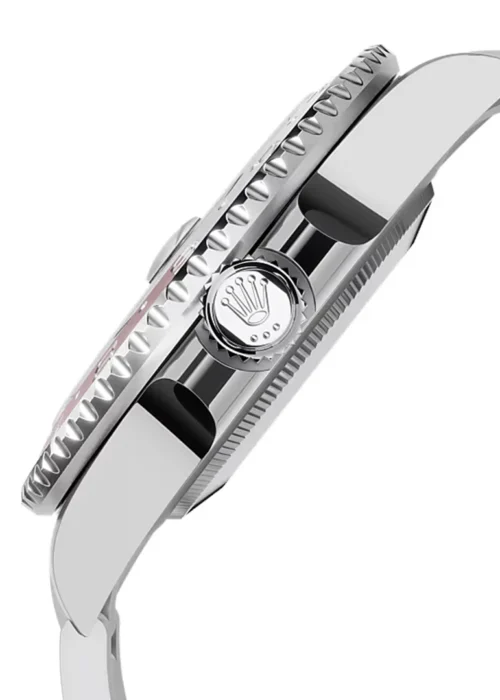
I have compiled an extensive gallery of detailed craftsmanship photography and real-world inspection shots here. Each image is captured under consistent, diffused lighting with no post-processing enhancement, so you can assess dial texture, index alignment, and clasp machining with complete transparency. Pay particular attention to the side-profile shots: the transition between brushed and polished surfaces on the case band is where cost-cutting becomes immediately visible. A properly executed case will show a crisp, unwavering line between the two finishes, with no bleeding or waviness.
Additionally, examine the bezel action in the video captures provided. A quality 120-click unidirectional bezel should produce consistent auditory and tactile feedback through all 120 detents with zero back-play. Mushy clicks or uneven resistance across the rotation arc indicate a bezel assembly that will loosen over time.
How to Avoid Common Watch-Buying Pitfalls
Pitfall 1: The Diameter Deception
Case diameter, quoted in isolation, is the most misleading number in horology. A 42mm watch with a 46mm lug-to-lug span wears dramatically smaller than a 40mm watch with a 50mm lug-to-lug span. Additionally, a dark-colored dial with a wide bezel visually compresses the watch on the wrist, while a white or light dial with a thin bezel expands it. Never purchase based on diameter alone. Demand the lug-to-lug measurement and, ideally, a wrist shot on a wrist similar to your own.
Pitfall 2: Warranty as Afterthought
A 12-month warranty from an unknown entity is functionally worthless. The movement inside your watch—whether NH35 or Sellita—is designed to run reliably for years, but defects in assembly (misaligned hands, poorly lubricated keyless works, debris under the crystal) typically manifest within the first weeks of ownership. Ensure your acquisition is backed by a minimum 24-month warranty from a seller with a documented history of honoring claims without friction. A warranty card in a box means nothing; a responsive customer service team means everything.
Pitfall 3: Unrealistic Accuracy Expectations
The NH35 movement is factory-regulated to approximately -20 to +40 seconds per day. In practice, a well-assembled example will deliver -5 to +15 seconds. This is entirely acceptable for a mechanical movement at this tier. If you require quartz-level accuracy, you should purchase quartz. Expecting COSC chronometer performance from an unregulated NH35 leads only to unnecessary disappointment and warranty claims that will be declined.
Pitfall 4: The Bracelet-Only Trap
Purchase the watch on the bracelet, even if you intend to wear it primarily on a rubber strap or NATO. Aftermarket bracelets are expensive, often fit poorly, and rarely match the case finishing of the original. You can always add straps later for a fraction of the cost of sourcing a matching bracelet retrospectively.
Finding Your Ideal Personal Style
A diver watch, for all its tool-watch origins, is ultimately an expression of personal aesthetic judgment. The black-dial, black-bezel configuration is the most versatile and historically grounded, but it is not automatically the correct choice for every wrist and wardrobe. A deep navy sunburst dial with a matching ceramic bezel projects a slightly softer, more approachable presence that pairs elegantly with blue and grey tailoring. A green bezel insert—particularly in muted olive or British racing tones—introduces character without sacrificing versatility.
Consider also the bracelet-versus-strap calculus. The solid link steel bracelet communicates permanence and intention. A high-quality FKM rubber strap (vulcanized, not silicone) signals weekend readiness without compromising sophistication. Both belong in your watch box; the question is which one you deploy first.
I have curated a comprehensive collection of thoughtfully designed Submariner alternatives and accessible luxury diver configurations that spans multiple dial colors, bezel materials, and movement options. Browsing this selection with your specific wardrobe and lifestyle in mind will clarify your preferences far more effectively than reading abstract descriptions. Pay attention to which pieces you instinctively pause on—that visceral reaction is more instructive than any specification sheet.
Watch Care and Maintenance Fundamentals
Daily Care Protocol
Rinse your diver watch under lukewarm fresh water after exposure to salt water, chlorinated pools, or perspiration. Salt crystals and chlorine residue accelerate gasket degradation and can pit stainless steel over time. Ensure the crown is fully screwed down before any water contact—a single lapse in this habit can result in catastrophic movement damage that no warranty will cover.
Use a soft-bristled toothbrush (dedicated to this purpose) and mild soap to clean the bracelet links and clasp every two to four weeks, depending on wear frequency. Dead skin cells and fabric fibers accumulate in the crevices between links, creating a grinding paste that accelerates stretch and wear. A five-minute cleaning session every fortnight extends bracelet life by years.
Mechanical Servicing Intervals
An NH35-powered watch, worn daily, should be serviced every five to seven years. Servicing involves complete disassembly, ultrasonic cleaning of all components, re-lubrication with synthetic oils, reassembly, and regulation. The cost of a proper NH35 service often approaches or exceeds the replacement cost of the movement itself, which is why many owners and independent watchmakers opt for a full movement replacement at the service interval. This is not a reflection of poor quality; it is an economic reality of mass-produced mechanical movements, and it is one reason the NH35’s ubiquity is a feature rather than a bug—replacement movements and parts will remain available for decades.
Storage and Longevity
When not on your wrist, store your diver watch in a watch box or roll that provides individual compartments. Avoid watch winders unless you own a perpetual calendar or annual calendar complication. Continuous winding of a simple automatic movement adds unnecessary wear to the automatic winding module for no practical benefit. A 40-hour power reserve means you can set the watch down on Friday evening and pick it up, still running, on Sunday afternoon. That is the design intent; work with it rather than against it.
Final Summary Checklist and Buying Verdict
You have navigated the terrain. Here is a condensed summary of the non-negotiable criteria and the decision framework that flows from them:
- Case size: 38–42mm diameter, with lug-to-lug no greater than 50mm for average wrists.
- Crystal: Sapphire with anti-reflective coating. No exceptions.
- Water resistance: Minimum 200m with a screw-down crown and caseback.
- Movement: Automatic mechanical (NH35, Miyota 9015, or Sellita SW200).
- Bracelet: Solid links, solid end links, milled clasp.
- Lume: Applied Super-LumiNova (C3, BGW9, or Swiss equivalent).
- Warranty: Minimum 24 months from a seller with verifiable support infrastructure.
- Bezel: 120-click unidirectional with ceramic insert and engraved or coated markings.
If a timepiece satisfies all eight criteria, the remaining differentiation comes down to subjective preference: dial color, bezel hue, movement architecture, and the intangible emotional response that occurs when you first hold the watch in your hands. Trust that response. A watch that meets every objective standard but leaves you unmoved is not the right acquisition.
The accessible luxury diver segment has matured to a point where the gap between these precision timepieces and their far more expensive Swiss counterparts is measured in nuance—case material grade differences you cannot perceive in daily wear, movement decoration visible only through an exhibition caseback, and brand heritage that, while meaningful, cannot be worn on the wrist. What you can wear, every single day, is a superbly built automatic diver watch with genuine sapphire crystal, a ceramic bezel, and a bracelet that feels substantial and secure. That is a genuinely excellent watch by any standard.
Take the Next Step Toward Your Ideal Timepiece
You now possess the framework, the criteria, and the context to make a confident, informed decision. The remaining step is tactile: examining the options that meet your filtered specifications, comparing them visually, and selecting the one that resonates.
I invite you to explore the comprehensive inventory of accessible luxury diver watches available for immediate acquisition. Each piece has been photographed extensively, with unedited high-resolution imagery that allows you to conduct the same visual inspection I would perform in person. Assess the bezel alignment, the dial finishing, the clasp machining, and the case profile with complete confidence.
A well-chosen diver watch accompanies you through boardroom presentations, weekend coastal drives, poolside afternoons, and everything in between. It becomes a quiet constant—a reliable instrument on your wrist that requires nothing more than occasional cleaning and, every few years, a movement service. The right one will outlast trends, outlast impulse purchases, and ultimately outlast the initial acquisition cost many times over in daily utility and personal satisfaction.
Take your time. Apply the checklist. Trust your instincts. The right timepiece is waiting.