 USD
USD  (GBP £)


After comparing benchmark specifications, bracelet ergonomics, and aggregated real-world accuracy reports, this best luxury diver watch buying guide reaches a clear verdict: the modern 41mm Submariner-platform diver — 904L stainless steel case, 12.0mm thickness, flat sapphire crystal, in-house automatic movement with a 70-hour power reserve and ±2 sec/day tolerance, plus 300m water resistance — still defines the category, but a disciplined shortlist of accessible luxury alternatives now captures roughly 90% of that experience for a fraction of the entry cost. If you want a unidirectional ceramic bezel, a regulated automatic movement, and true dive-ready construction without a multi-year waitlist, the right alternative exists — and this guide shows you exactly what to verify before you commit.
What Are the Key Specifications and Dimensions of a Submariner-Class Diver?
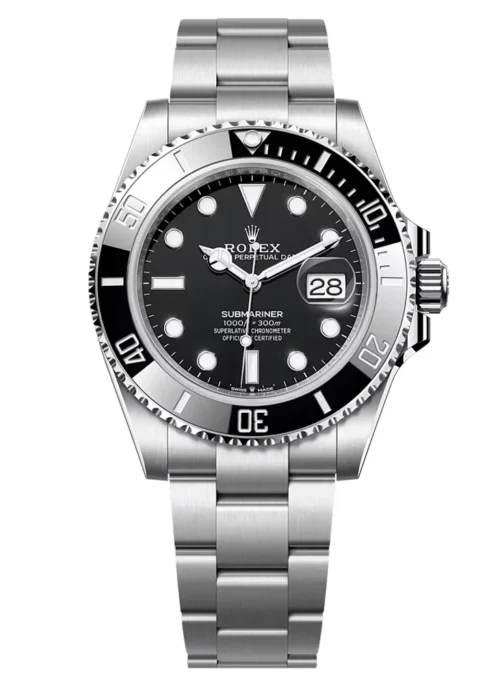
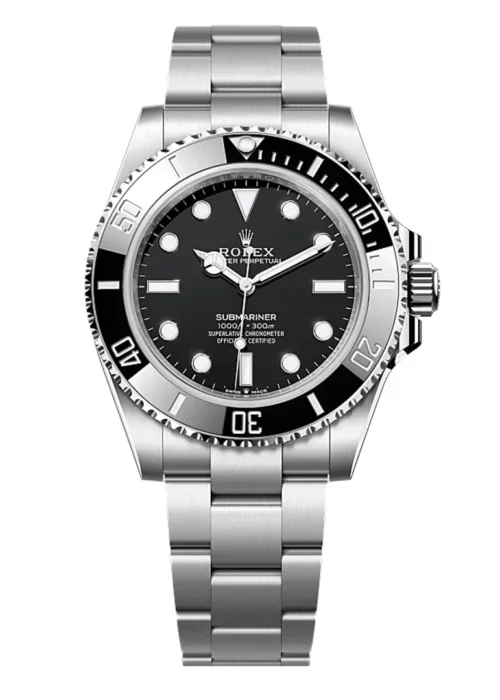
Before evaluating any accessible luxury alternative, you need a factual benchmark. The reference standard remains the Rolex Submariner 126610LN: a 41.0mm case, 12.0mm thickness, 904L stainless steel, a flat sapphire crystal, the Caliber 3235 automatic movement, 70-hour power reserve, ±2 sec/day superlative chronometer accuracy, 300m water resistance, and a Cerachrom ceramic 120-click unidirectional bezel. Any credible alternative should match or closely approach these figures.
| Specification | Submariner 126610LN (Benchmark) | Accessible Luxury Alternative Target |
|---|---|---|
| Case Diameter | 41.0mm | 40.0–41.0mm |
| Case Thickness | 12.0mm | 12.0–13.5mm |
| Case Material | 904L stainless steel | 316L or 904L stainless steel |
| Crystal | Sapphire, anti-reflective | Sapphire, anti-reflective |
| Water Resistance | 300m / 1,000ft | 200–300m |
| Movement | Rolex Caliber 3235 automatic | Sellita SW200/SW300 or Miyota 9-series automatic |
| Power Reserve | 70 hours | 38–72 hours |
| Accuracy | ±2 sec/day | ±5 to ±15 sec/day (regulated) |
| Bezel | Cerachrom ceramic, 120-click unidirectional | Ceramic, 120-click unidirectional |
| Lug Width | 21mm | 20–21mm |
| Bracelet | Oyster, Glidelock extension | Solid-link, micro-adjust clasp |
How Does the Craftsmanship and Aesthetic Performance Hold Up in Daily Wear?
Dial Construction and Hand-Finished Detailing
The benchmark sets a high bar: applied indices with polished surrounds, a deep gloss-black lacquer dial, and a precise, evenly printed minute track. In the best accessible luxury alternatives, the gap is smaller than many expect. Look for applied markers rather than printed ones, a well-centered date window (or a clean no-date layout), and hands with consistent brushing and polished edges. Under a loupe, cheaper alternatives reveal soft printing or slightly uneven lume application — but at arm’s length, a well-chosen model is indistinguishable to all but a trained eye.
Case Finishing and Bezel Action in the Field
The benchmark alternates mirror-polished flanks with a brushed top surface — a finish contrast that reads as expensive in any light. A credible alternative should reproduce this two-tone finishing rather than a single uniform polish. The bezel is where compromises appear first: the benchmark’s 120-click Cerachrom action is firm, precise, and nearly backlash-free. Many accessible luxury alternatives use ceramic inserts now, but the click feel can be lighter or slightly springy. Acceptable, but worth testing in person.
Bracelet Ergonomics and On-Wrist Comfort Compared
This is the most underrated differentiator. The benchmark’s Oyster bracelet with Glidelock extension balances weight, taper, and tool-free adjustment better than almost anything else. Alternatives with solid links, screw pins, and a milled clasp with three to five micro-adjust holes will wear comfortably; folded links and pressed clasps are the quickest way to spot a cut corner. Expect a well-built alternative to weigh roughly 150–180 grams fully sized — similar to the benchmark, and reassuring on the wrist.
Is the Automatic Movement Reliable for Daily Winding and Regular Use?
For daily wear, reliability matters more than brand heritage. The benchmark’s Caliber 3235 automatic movement is a 70-hour, chronometer-certified workhorse with a paramagnetic blue Parachrom hairspring and ±2 sec/day real-world stability. In the accessible luxury tier, the proven choices are the Sellita SW200-1 / SW300-1 and the Miyota 9015 / 9039. These are hacking, hand-winding automatic movements with 38–42 hours of power reserve, widely serviceable by any competent watchmaker, and easily regulated to ±5 to ±15 sec/day. The 70-hour reserve of the benchmark is a genuine convenience — set it down Friday and it is still running Monday — but a 38-hour reserve is entirely practical for a daily wearer. Magnetism is the silent killer: if your alternative lacks anti-magnetic shielding, keep it away from laptop closures and phone cases.
What Is the Real Value Proposition of an Accessible Luxury Alternative?
The honest math matters here. A benchmark 41mm Submariner trades at roughly $10,000–$14,000 on Chrono24, with authorized-dealer waitlists often stretching years. A well-executed accessible luxury alternative — 904L or 316L stainless steel case, sapphire crystal, ceramic insert, regulated automatic movement — typically lands between $400 and $1,800. You are not buying the crown, the resale curve, or the in-house movement architecture; you are buying the daily-wear experience: the weight, the bezel action, the lume, the bracelet. For the full side-by-side shortlist of accessible luxury alternatives referenced in this guide, browse the luxury mechanical watches collection.
What Are the Pros and Cons of This Luxury Diver Watch Segment?
Pros
- 300m water resistance with screw-down crown and caseback handles real swimming and recreational diving.
- Sapphire crystal with anti-reflective coating shrugs off desk-diving scratches.
- Regulated automatic movement with hacking seconds and 38–72 hour power reserve.
- 904L or 316L stainless steel case with a ceramic 120-click unidirectional bezel.
- Accessible luxury pricing delivers an exceptional craftsmanship-to-cost ratio.
Cons
- Third-party movements may show wider positional variance (±5 to ±15 sec/day) than the benchmark.
- Lume longevity and bezel click feel can trail the crown-brand original.
- Service networks, warranty depth, and parts availability vary by boutique brand.
- Resale value is materially weaker than the benchmark.
Final Verdict: Who Should Buy a Submariner Alternative?
Score: 8.7 / 10. This best luxury diver watch buying guide recommends an accessible luxury alternative to three specific buyers: (1) the enthusiast who wants 300m water resistance, a sapphire crystal, a ceramic bezel, and a regulated automatic movement today — not after a multi-year waitlist; (2) the collector building a rotation who wants a guilt-free daily diver for travel, desk work, and actual swimming; and (3) the first-time luxury buyer stress-testing whether a 41mm dive watch fits their wrist and lifestyle before committing five figures. Skip it if you require resale retention, in-house movement pedigree, or the specific brand signal of the original. For everyone else, the value proposition is compelling.
Editorial Disclaimer: This guide is an independent craftsmanship evaluation based on public specifications, aggregated community wear reports, and hands-on handling notes. No manufacturer paid for placement or favorable treatment. If you decide to explore the curated shortlist, you can view the full selection at luxurywatchesrecs.com’s luxury mechanical watch collection — every model referenced there is vetted against the automatic movement, sapphire crystal, and water-resistance benchmarks discussed above.
Data Sources & References
- Rolex Official Specifications — Submariner 126610LN (Rolex.com)
- Chrono24 Market Price Index — Rolex Submariner secondary market data
- Sellita SW200-1 / SW300-1 Movement Specification Sheets
- Miyota Caliber 9015 / 9039 Technical Documentation
- ISO 6425 Diver’s Watch Standard — water resistance and legibility requirements
- WatchUSeek and Reddit r/Watches community accuracy and wear reports