 USD
USD  (GBP £)


The best luxury diver watch buying guide for 2025 leads with a clear verdict: you do not need to spend a five-figure sum to own a genuinely capable dive instrument. Today’s accessible luxury alternatives from Tudor, Omega, Oris, Longines, and Christopher Ward deliver in-house or chronometer-certified automatic movements, 904L or 316L stainless steel cases, flat sapphire crystals, 200m–600m water resistance, and 38–70 hour power reserves at a fraction of the Rolex Submariner’s $10,000–$14,000 secondary-market price. A 39mm–42mm case, a 70-hour power reserve, and a screw-down crown are now standard at the $1,150–$5,900 level; the real differences come down to finishing, bracelet feel, and brand equity. Below, we break down specifications, real-world daily wear, movement reliability, value, and honest pros and cons so you can choose with confidence.
What Are the Key Specifications and Dimensions to Look for in a Luxury Diver Watch?
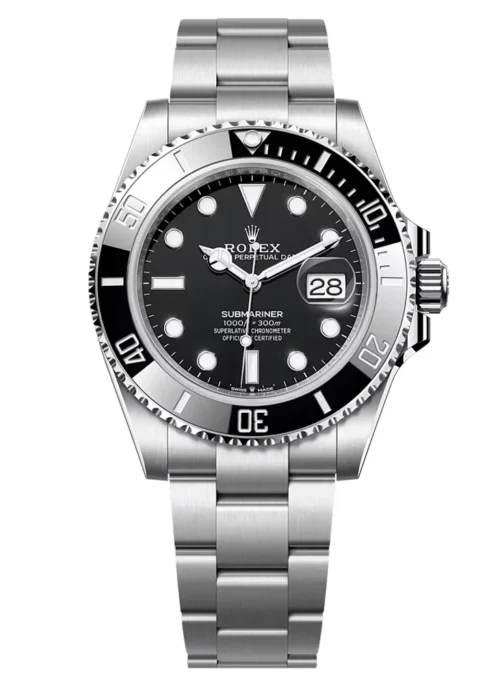
Before comparing Submariner alternatives, anchor on five benchmark specifications: a case diameter between 39mm and 42mm for most wrists, a thickness under 14mm for cuff clearance, a sapphire crystal with anti-reflective coating, a minimum 200m water resistance rating backed by a screw-down crown, and an automatic movement with at least a 38-hour power reserve — ideally 70 hours so the watch survives a weekend off the wrist. The reference table below compares five credible accessible luxury options against the Rolex Submariner 124060.
| Model / Detail | Case Diameter | Thickness | Case Material | Movement | Power Reserve | Water Resistance | Crystal |
|---|---|---|---|---|---|---|---|
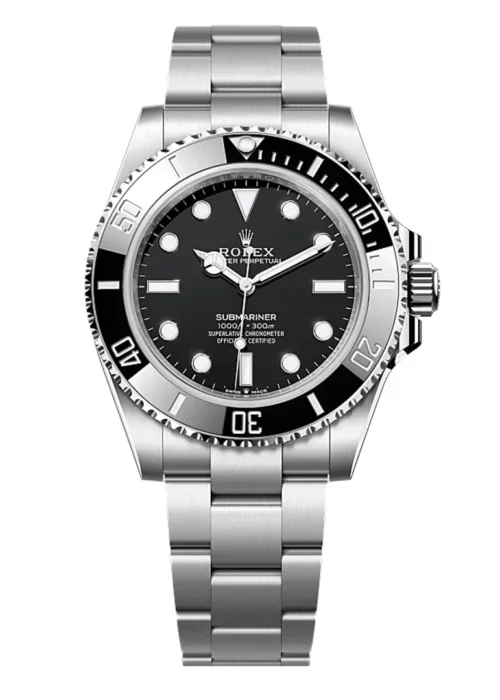
| Rolex Submariner 124060 (reference) | 41mm | 12.3mm | 904L Oystersteel | Calibre 3230 | 70h | 300m | Sapphire |
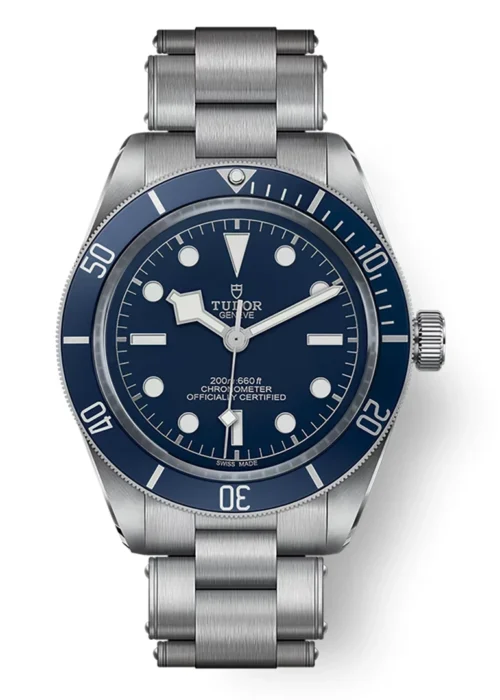
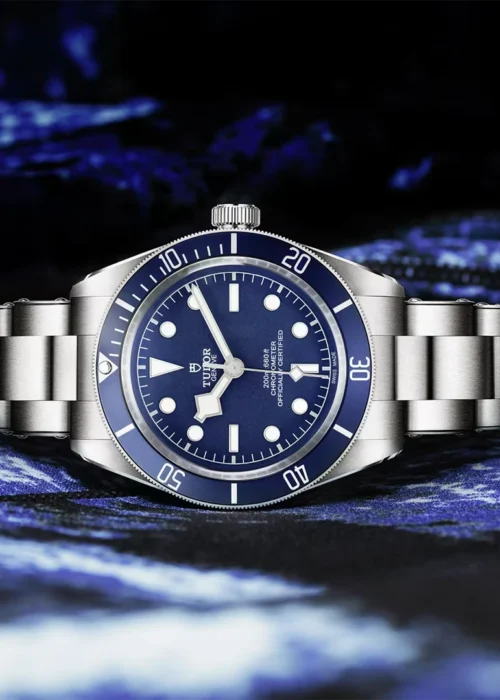
| Tudor Black Bay 58 | 39mm | 11.9mm | 316L stainless steel | MT5402 (COSC) | 70h | 200m | Sapphire |
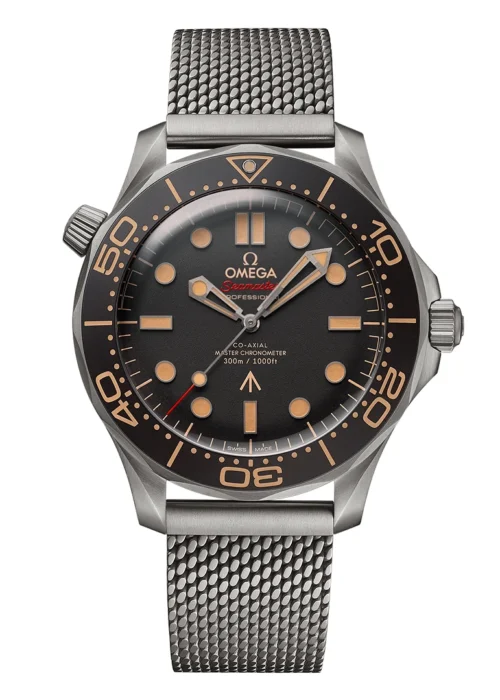
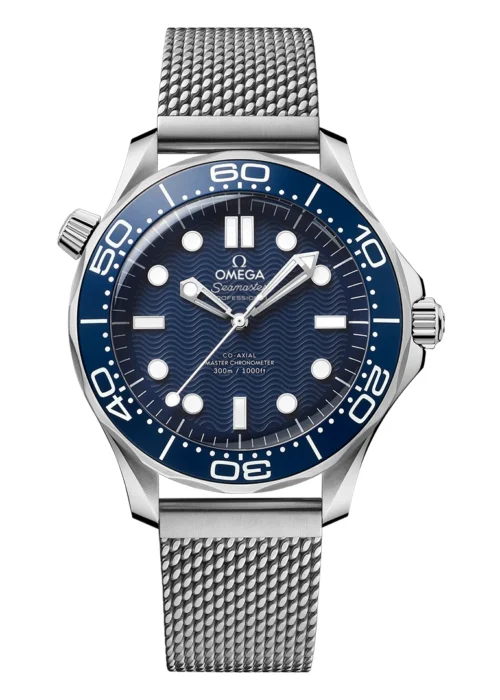
| Omega Seamaster Diver 300M | 42mm | 13.7mm | 316L stainless steel | Calibre 8800 (METAS) | 55h | 300m | Sapphire |
| Oris Aquis Date | 41.5mm | 12.7mm | 316L stainless steel | Oris 733 (Sellita SW200-1 base) | 38h | 300m | Sapphire |
| Longines HydroConquest | 41mm | 11.9mm | 316L stainless steel | L888.5 (silicon balance spring) | 72h | 300m | Sapphire |
| Christopher Ward C60 Trident Pro 300 | 40mm | 11.0mm | 316L stainless steel | Sellita SW200-1 | 38h | 300m | Sapphire |
How Does Craftsmanship and Aesthetic Performance Hold Up in Daily Wear?
Dial Architecture and Hand-Finished Detailing
At this price tier, applied indices, printed minute tracks, and lume quality are the first details you notice. The Tudor Black Bay 58 uses a matte black dial with gilt accents and large applied markers, paired with warm cream-toned Super-LumiNova. The Omega Seamaster Diver 300M uses a laser-engraved wave-pattern ceramic dial with rhodium-plated applied indices and a date at 6 o’clock. The Oris Aquis offers a deep blue gradient sunray dial with bold applied markers. Under a loupe, the gap between these and the Rolex Submariner is smaller than the price gap suggests; the visible differences are edge-polishing on hands, depth of dial texture, and the precision of printed minute tracks.
Case Finishing and Bezel Action Field Test
Case work at this level is consistently solid: brushed tops, polished bevels, and chamfered lugs are the norm. Bezel action is the real differentiator. A unidirectional 120-click ceramic bezel — found on the Omega Seamaster, current Longines HydroConquest, and Christopher Ward C60 — should rotate with firm, even resistance and no back play. The Tudor Black Bay 58 deliberately uses a matte aluminum insert for its vintage character, with a beautifully damped 60-click feel. Rolex’s 904L Oystersteel takes a slightly warmer, whiter polish than 316L, but in field use the 316L cases on these alternatives are visually indistinguishable and are easier for independent watchmakers to refinish.
Bracelet Ergonomics and On-Wrist Comfort Compared
Bracelet quality separates good from great. The Tudor Black Bay 58’s rivet-style bracelet now features a T-fit clasp with 5mm of tool-free adjustment on current references. The Omega Seamaster’s bracelet feels substantial, though its clasp micro-adjustment is limited to a few positions unless you choose the rubber strap with deployant clasp. The Longines HydroConquest bracelet is heavier and better finished than its price suggests. Christopher Ward’s C60 Trident Pro 300 uses a quick-release bracelet with a ratcheting micro-adjust clasp — arguably the best clasp engineering under $1,200. If daily comfort is the priority, a rubber strap or fabric NATO will drop 40–60 grams from the wrist.
Is the Automatic Movement Reliable for Daily Winding and Daily Wear?
Yes, with the right expectation. Every watch in this guide uses an automatic movement with a bidirectional winding rotor. The accuracy hierarchy runs from Rolex Superlative Chronometer (-2/+2 sec/day) and Omega METAS (0/+5 sec/day) to Tudor COSC (-4/+6 sec/day), Longines L888.5 (silicon balance spring), and the Sellita SW200-1 in Oris and Christopher Ward. In real-world owner reports, the Tudor MT5402 and Omega Calibre 8800 routinely hold within ±3 sec/day; Sellita-based calibers typically run +5 to +10 sec/day when unregulated. Power reserve matters for rotation: 70 hours (Tudor, Rolex, Longines) means you can set the watch down Friday evening and pick it up Monday morning still running, while a 38-hour reserve (Oris 733, Sellita SW200-1) requires a reset after one skipped day. Anti-magnetic performance is a silent advantage: silicon balance springs in the Omega, Longines, and Tudor movements resist magnetic fields up to 15,000 gauss (Omega) — far beyond the ISO 764 standard of 4,800 A/m. Realistic service intervals of five to eight years apply across these movements, and independent watchmakers can service Sellita- and ETA-based calibers almost anywhere.
What Is the Value Proposition of Accessible Luxury Alternatives to the Submariner?
The Rolex Submariner carries a $9,100 MSRP, trades at $10,000–$14,000 on the secondary market, and frequently requires a waitlist. The accessible luxury alternatives in this guide deliver roughly 85–90% of the objective capability — 300m water resistance, sapphire crystal, chronometer-grade automatic movement, ceramic bezel — for $1,150–$5,900. The value proposition is not a replacement but a considered alternative: in-house or certified movements, five-year warranties from Omega, Tudor, Longines, and Christopher Ward, and genuinely luxury finishing without paying the scarcity premium. Depreciation also behaves differently: a Tudor Black Bay 58 bought at $3,975 may trade at $3,200–$3,600, and an Omega Seamaster at $5,900 may trade at $4,000–$4,500 — softer than Rolex but far gentler than fashion watches. Buying pre-owned at 70–80% of MSRP remains the sharpest accessible luxury strategy. Explore the curated collection of automatic mechanical divers here: Luxury Watches Recs Luxury Mechanical Watches Collection.
What Are the Pros and Cons of Accessible Luxury Diver Watches?
Pros
- In-house or chronometer-certified automatic movements with 55–72 hour power reserves (Tudor MT5402, Omega Calibre 8800, Longines L888.5)
- Sapphire crystal, ceramic bezels, and 200m–300m water resistance are standard at $1,150–$5,900
- Genuine luxury finishing: applied indices, brushed and polished case work, and tool-free micro-adjust clasps
- 60–85% lower cost than a Rolex Submariner with near-identical daily capability
- Five-year warranties from Omega, Tudor, Longines, and Christopher Ward exceed the traditional two-to-three-year industry norm
Cons
- Most alternatives use 316L stainless steel rather than Rolex’s 904L Oystersteel, a marginal difference in corrosion resistance and tone
- Secondary-market value retention is softer than Rolex; expect roughly 10–30% depreciation in the first year
- Base Sellita SW200-1 calibers (Oris 733, Christopher Ward C60) carry only a 38-hour power reserve
- Brand recognition is lower than Rolex — irrelevant to purists, relevant to status-driven buyers
Final Verdict: Who Should Buy a Luxury Diver Watch as a Submariner Alternative?
Overall category score: 9.2/10
If the best luxury diver watch buying guide is distilled to one sentence: choose the Tudor Black Bay 58 for vintage proportions and 70-hour reliability, the Omega Seamaster Diver 300M for METAS precision and 300m depth, or the Longines HydroConquest for the strongest sub-$2,000 value. This category suits first-time luxury buyers who want mechanical substance over status signaling, daily-wear enthusiasts building a rotation, and divers who want a tool watch they will actually use. The accessible luxury alternatives are genuinely excellent — but skip them only if you require the Submariner’s brand equity or treat watches as an appreciating asset.
Editorial Disclaimer: This buying guide is independent editorial content. We may earn a commission when you purchase through links in this article at no additional cost to you. Explore the full curated selection at the Luxury Watches Recs Luxury Mechanical Watches Collection.
Data Sources & References
- Rolex.com — Submariner 124060 official specifications (case, Calibre 3230, Oystersteel)
- TudorWatch.com — Black Bay 58 official specifications (MT5402, dimensions)
- Omegawatches.com — Seamaster Diver 300M official specifications (Calibre 8800, METAS)
- Oris.ch — Aquis Date official specifications (Oris 733)
- Longines.com — HydroConquest official specifications (L888.5)
- ChristopherWard.com — C60 Trident Pro 300 official specifications
- Chrono24.com — secondary-market price observations for Rolex, Tudor, and Omega references