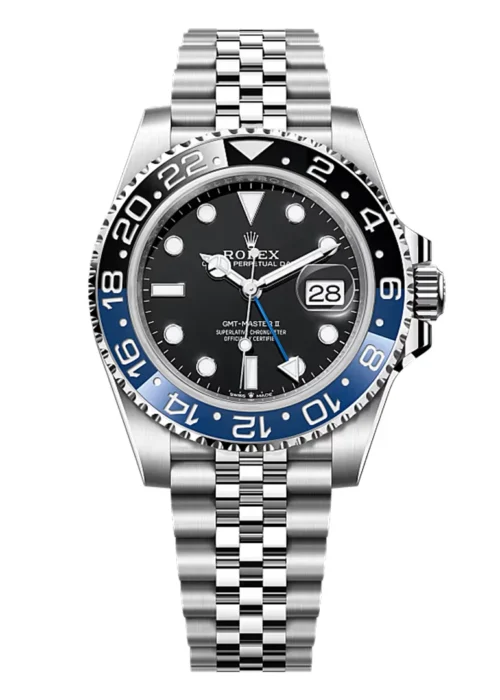
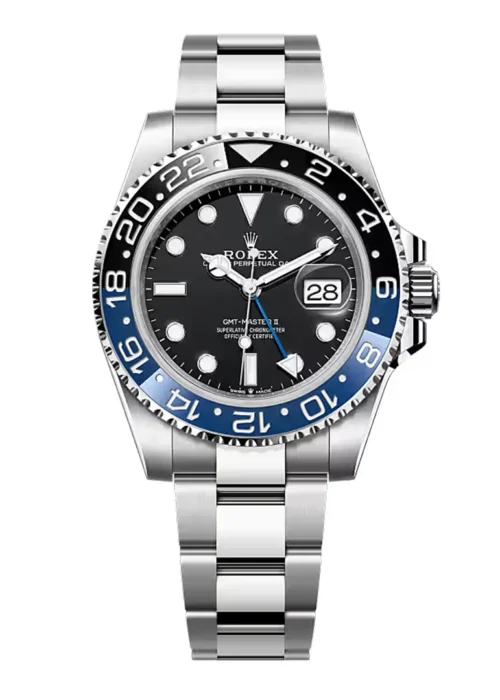
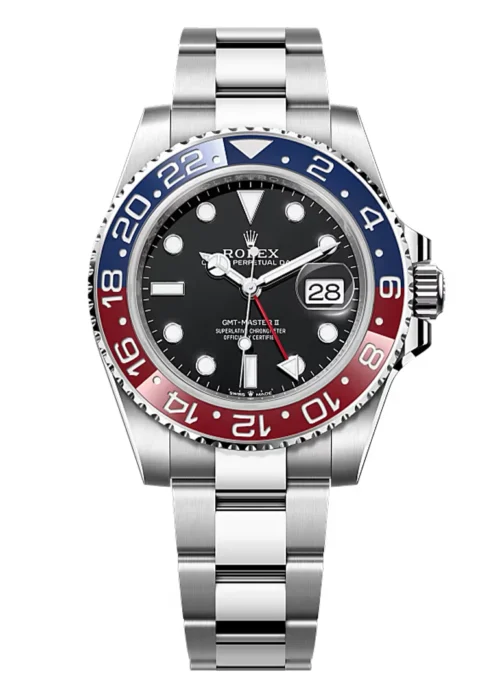
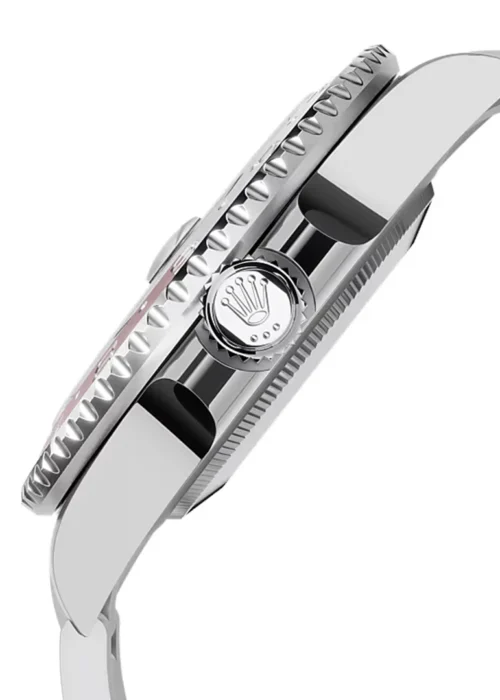
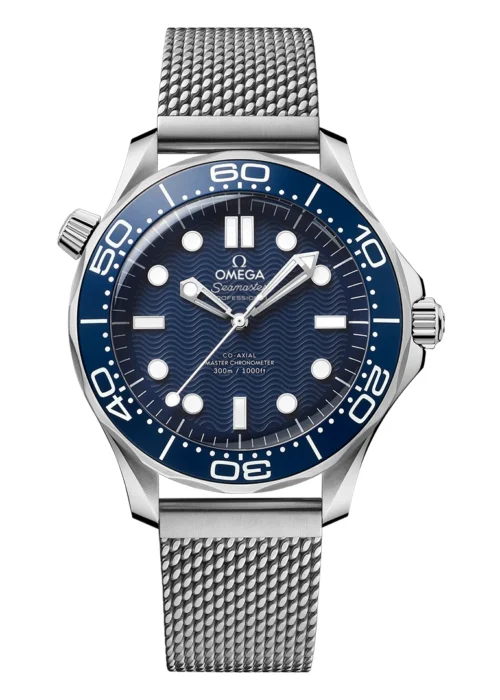
 USD
USD  (GBP £)


Beneath the Surface: The Art of the Luxury Dive Watch and the Rise of Accessible Excellence
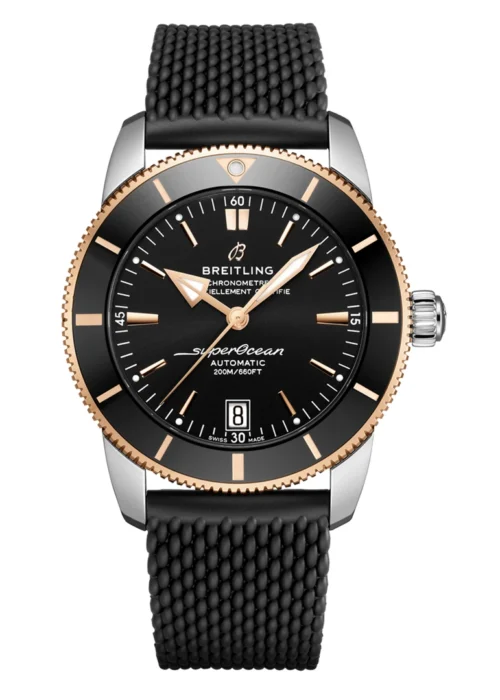
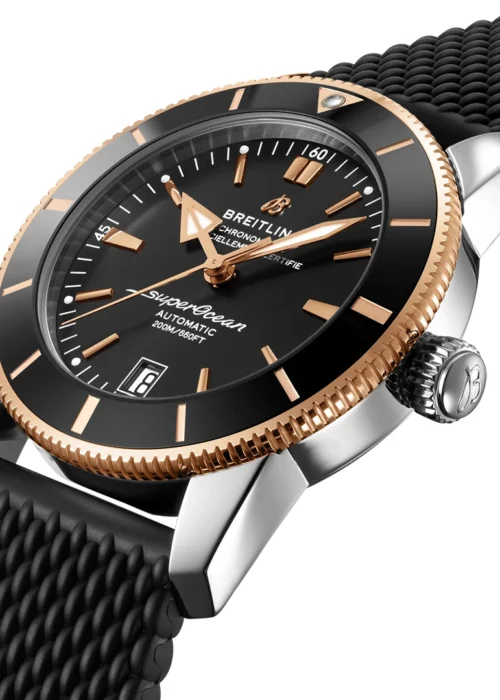
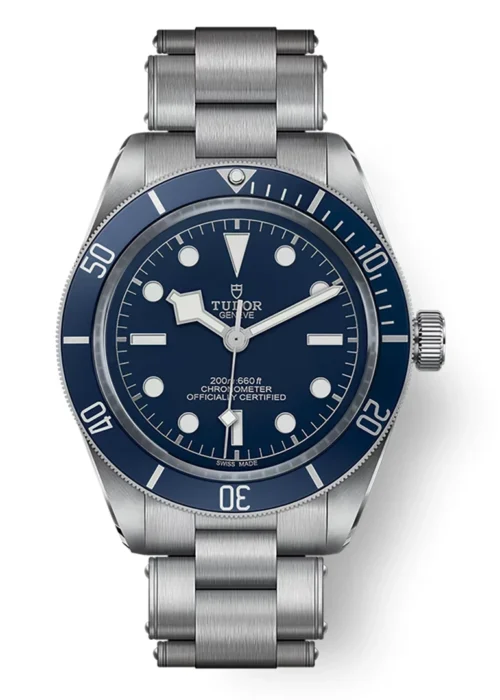
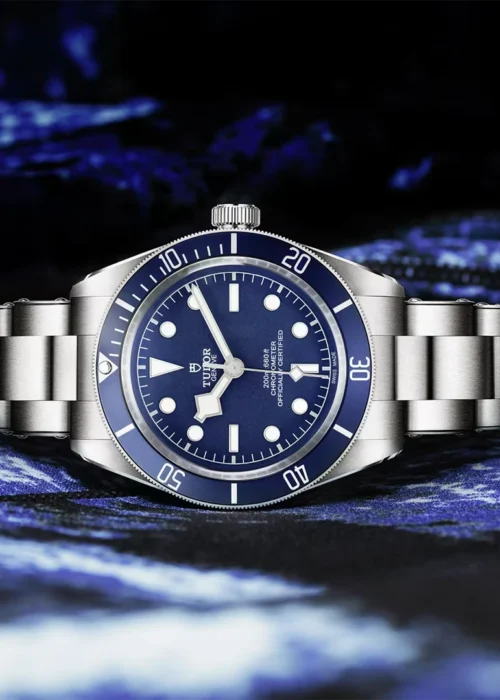
It was 1953. The depths of the Mediterranean had never felt closer, and the silent world beneath the waves was revealing itself to a generation of explorers, naval officers, and the merely curious. On the wrists of those pioneers sat a new kind of instrument: not merely a timepiece, but a tool of survival. The modern luxury dive watch was born — and horology would never be the same.
What began as utilitarian equipment for frogmen and marine researchers has evolved into one of the most coveted categories in watch collecting. Today, the dive watch represents something far greater than water resistance. It stands as a symbol of rugged elegance, mechanical ingenuity, and a certain adventurous spirit that speaks to the explorer in all of us.
The Silent World: How the Dive Watch Captured Our Imagination
In the post-war years, as SCUBA technology democratised underwater exploration, watchmakers faced an unprecedented challenge: build a timepiece that could survive the crushing pressure of the deep while remaining legible in near-total darkness. The solution gave us the unidirectional rotating bezel, the luminous dial, and the robust, hermetically sealed case — innovations that define the genre to this day.
“The dive watch is perhaps the purest expression of form following function in mechanical watchmaking. Every element — from the crown guards to the bezel knurling — exists because the depths demanded it.”
But beyond its technical legacy, the dive watch carries a potent emotional charge. It whispers of Jacques Cousteau’s Calypso, of naval expeditions, of a certain British secret agent emerging from the sea in a perfectly pressed dinner jacket. It is a passport to a world of adventure, worn quietly on the wrist.
What Defines a Modern Luxury Dive Watch?
Before you consult any best luxury diver watch buying guide, it is essential to understand the anatomy of excellence. A true luxury dive watch is more than the sum of its specifications — but those specifications matter enormously.
Here is what discerning collectors evaluate:
- Automatic Winding Movement: The soul of the watch. A self-winding calibre harnesses the kinetic energy of your wrist, transforming motion into stored power. The finest examples offer hacking seconds, hand-winding capability, and robust shock protection.
- Sapphire Glass: Synthetic sapphire crystal is virtually scratch-proof, sitting at 9 on the Mohs hardness scale — second only to diamond. Modern luxury dive watches pair sapphire with anti-reflective coatings for superior legibility underwater and in direct sunlight.
- Stainless Steel Case: 316L stainless steel remains the industry standard for corrosion resistance and durability. A well-finished 316L case, with its tactile heft and interplay of brushed and polished surfaces, speaks volumes about manufacturing care.
- Unidirectional Bezel: A safety-critical feature. The bezel rotates only counter-clockwise, meaning any accidental nudge during a dive shortens the measured elapsed time — a potentially life-saving design born from rigorous dive safety protocols.
- Daily Accuracy Standards: While COSC-certified chronometers target -4/+6 seconds per day, a well-regulated automatic movement can deliver remarkable real-world precision without requiring formal certification.
A Buyer’s Comparative Lens
| Feature | Iconic Luxury Standard | Accessible Luxury Alternative |
|---|---|---|
| Movement | In-house automatic calibre | NH35 automatic movement / Seiko-derived |
| Crystal | Sapphire with multi-layer AR | Sapphire glass with AR coating |
| Case Material | 904L or 316L stainless steel | 316L stainless steel case |
| Water Resistance | 300m+ | 200m – 300m |
| Daily Accuracy | -4/+6 sec (COSC) | -20/+40 sec (well-regulated) |
| Bezel Insert | Ceramic | Ceramic or anodised aluminium |
| Aesthetic DNA | Heritage-driven, iconic | Classic proportions, design homage |
This table illuminates an important truth: the gap between the grail-level icon and the thoughtfully engineered accessible luxury alternative has never been narrower. For the modern collector, the question is increasingly not one of capability, but of philosophy.
The Heartbeat Within: Automatic Movements and the NH35 Revolution
No conversation about modern dive watches is complete without acknowledging the movement that democratised reliability: the NH35 automatic movement. Manufactured by Seiko’s Time Module division, the NH35 has become the beating heart of countless respected timepieces, offering 24 jewels, a 41-hour power reserve, and a proven track record of durability that spans decades.
The NH35 is not merely a budget compromise — it is a movement that horological pragmatists genuinely respect. It hacks, it hand-winds, it tolerates the daily knocks of an active lifestyle, and it does so with a consistency that belies its accessible price point. For the collector seeking accessible luxury alternatives that do not sacrifice mechanical integrity, the NH35 represents a considered choice rather than a concession.
A well-regulated NH35 can hold daily accuracy comfortably within ±15 seconds — more than adequate for anyone not navigating by sextant.
Paired with a robust automatic winding movement, the modern dive watch offers a tactile, almost meditative daily ritual: the gentle resistance of the crown as you set the time, the subtle rotor whir against the wrist, the quiet knowledge that your watch is alive and breathing with every movement you make.
Materials of Distinction: Sapphire and Steel
There is a reason the phrase sapphire glass watch carries weight among collectors. Mineral glass scratches. Acrylic fogs and hazes with age. But sapphire — grown in laboratories under immense heat and pressure, then diamond-cut to precision — remains optically clear through years of desk-diving, genuine maritime adventure, and everything in between.
Equally important is the stainless steel case. A well-constructed 316L case, with its interplay of brushed surfaces and polished accents, captures and plays with ambient light in ways that photographs struggle to convey. The weight feels substantial and reassuring on the wrist; the cold touch of steel on a winter morning reminds you that you are wearing something engineered, not merely assembled.
When evaluating any timepiece — whether an iconic luxury reference or a carefully crafted accessible luxury alternative — run your thumb across the bezel action. Listen to the crown threads engage with precision. Hold the watch at an angle and observe how the sapphire crystal interacts with the light. These are the unspoken languages of quality that transcend price tags.
We invite you to explore our curated selection of exceptional mechanical timepieces at our luxury mechanical watches collection, where each piece is photographed and presented with the attention it deserves.
Three Curiosities from the Deep
Before you make your choice, here are a few facts that might deepen your appreciation for the dive watch tradition:
- The Helium Escape Valve was born from saturation diving. Professional divers living in pressurised habitats for weeks absorbed helium into their watches at a molecular level. During decompression, trapped helium could expand violently and blow the crystal clean off the case. The escape valve — now a visual hallmark of many professional-grade dive watches — solved this literally explosive engineering problem.
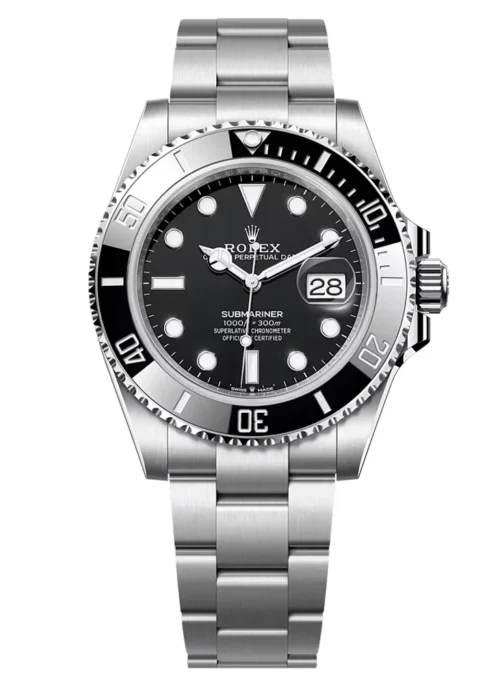
- The distinctive Mercedes-style hour hand is a functional design, not mere branding. The three-pointed hour hand on the world’s most famous dive watch was specifically engineered to maximise luminous surface area while remaining unmistakably distinguishable from the minute hand in low-visibility underwater conditions.
- Lume colour tells a story of decades. Vintage watch collectors obsess over “patina” — the warm, creamy, almost vanilla tone that tritium-based luminous paint acquires over thirty or forty years. Modern Super-LumiNova and similar strontium-aluminate compounds glow brighter and longer but will never develop that coveted ivory warmth naturally.
- 200 metres does not mean what you might think. A watch rated to 200m water resistance is tested at a pressure equivalent to a static 200-metre depth. Dynamic pressure from vigorous swimming strokes can momentarily exceed this figure, which is precisely why serious dive watches are rated far beyond their intended recreational use.
Finding Your Depth: A New Era of Accessible Luxury
The contemporary watch landscape offers something genuinely unprecedented: the ability to own a beautifully crafted mechanical dive watch — complete with a sapphire glass watch crystal, a meticulously finished stainless steel case, and a dependable automatic movement — without navigating endless waiting lists or five-figure financial commitments.
This is not about compromise. It is about discernment. When you consult a best luxury diver watch buying guide, you are not simply ticking boxes on a specification sheet. You are identifying the watch that aligns with your aesthetic sensibility, your lifestyle, and your appreciation for mechanical artistry. Whether that watch carries a crown recognised by every person on the street or a more discreet emblem known only to fellow enthusiasts is, increasingly, a matter of personal philosophy rather than necessity.
The daily accuracy standards delivered by today’s accessible movements, the clarity of modern sapphire crystals, and the precision of CNC-machined steel cases mean that a meaningful horological experience has never been more attainable.
A Final Reflection
The dive watch endures because it speaks to something elemental within us. It reminds us that time is measured not only in conference calls and calendar invites but in tides, in decompression stops, in the slow arc of the sun across an endless marine horizon. It is an instrument of both precision and poetry.
The democratisation of quality — the steady, welcome rise of the accessible luxury alternative — means that more wrists than ever can participate in this storied tradition. And that, perhaps, is the most exciting development in modern horology.
We encourage you to browse our complete luxury mechanical watches collection and discover a timepiece that resonates with your own story. The depths are waiting.
Data Sources & References
- ISO 6425:2018 — International standards for diving watches (water resistance, legibility, and bezel requirements)
- Seiko Time Module — Technical specifications for the NH35 automatic winding movement
- Historical context: Post-war dive watch development and the birth of the genre (circa 1953)
- Material science: Mohs hardness scale comparison — sapphire crystal (9) vs. mineral glass (5–6) vs. diamond (10)