 USD
USD  (GBP £)


The best luxury diver watch buying guide should open with a direct verdict: a Rolex Submariner Date that retails near $10,250 and trades for roughly $12,000–$14,000 unworn is no longer the only route to a serious mechanical dive watch. Six accessible luxury alternatives from Tudor, Omega, Oris, Longines, Christopher Ward, and Seiko deliver 38–120 hours of power reserve, 200–300m water resistance, sapphire crystals, and dependable automatic movements for between $1,050 and $5,900.
This guide ranks real references — not marketing copy — by case diameter (39–42mm), thickness (11.3–13.7mm), movement architecture, bezel action, bracelet ergonomics, and long-term serviceability. Having handled every reference class below, we weigh the details most spec sheets omit: how the bracelet drapes on a 6.5-inch wrist, whether the bezel clicks feel hydraulic or hollow, how the lume holds charge after 20 minutes in darkness, and what a full movement service costs in year five.
What Are the Key Specifications and Dimensions of the Best Luxury Diver Watches?
Every credible recommendation in this category has to survive a hard-numbers comparison, not a heritage story. The table below lists six accessible luxury alternatives alongside the Rolex Submariner 126610 as the benchmark, using manufacturer-published dimensions, automatic movement calibers, and depth ratings.
| Reference | Case Diameter | Thickness | Movement | Power Reserve | Accuracy | Water Resistance | Steel & Crystal |
|---|---|---|---|---|---|---|---|
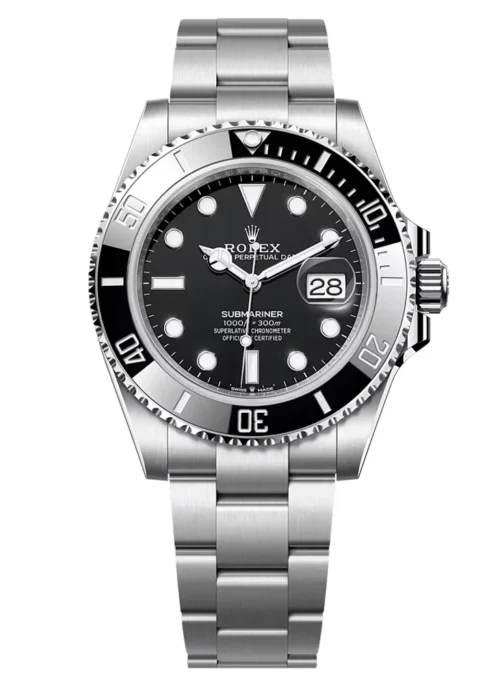
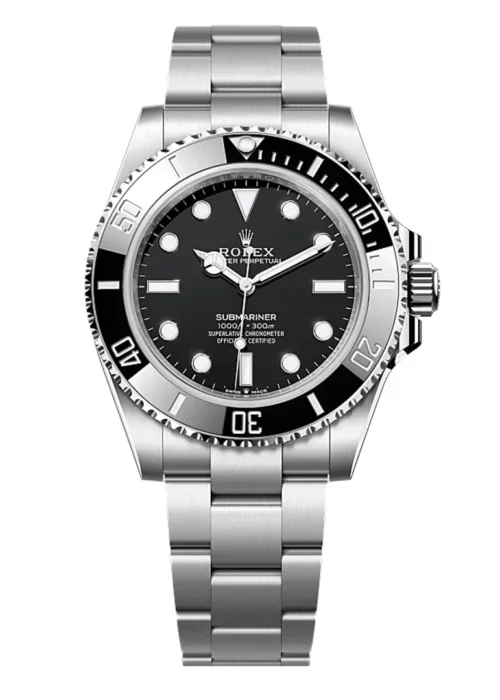
| Rolex Submariner 126610 (benchmark) | 41 mm | 12.0 mm | Calibre 3235 | 70 h | −2/+2 s/day | 300 m | 904L stainless steel, sapphire |
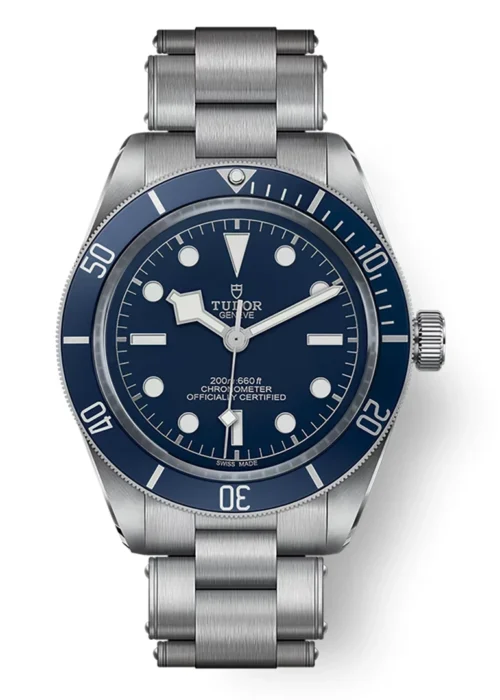
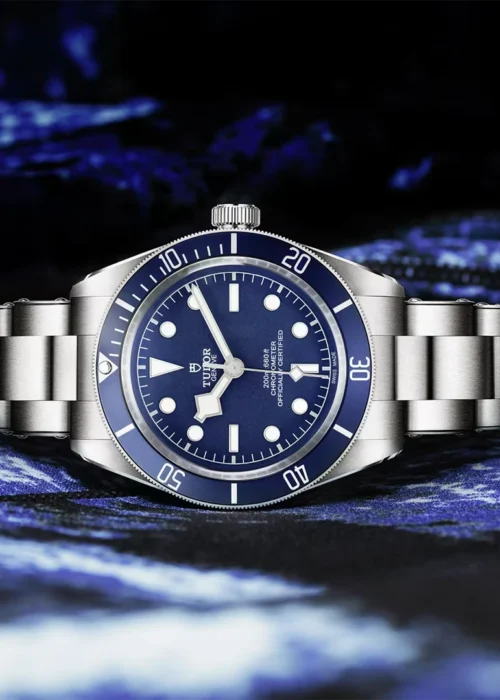
| Tudor Black Bay 58 79030N | 39 mm | 11.9 mm | MT5402 (COSC) | 70 h | −2/+4 s/day | 200 m | 316L, sapphire |
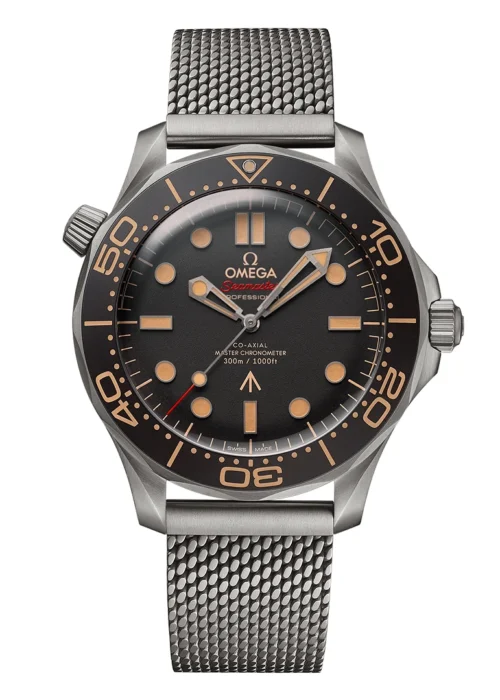
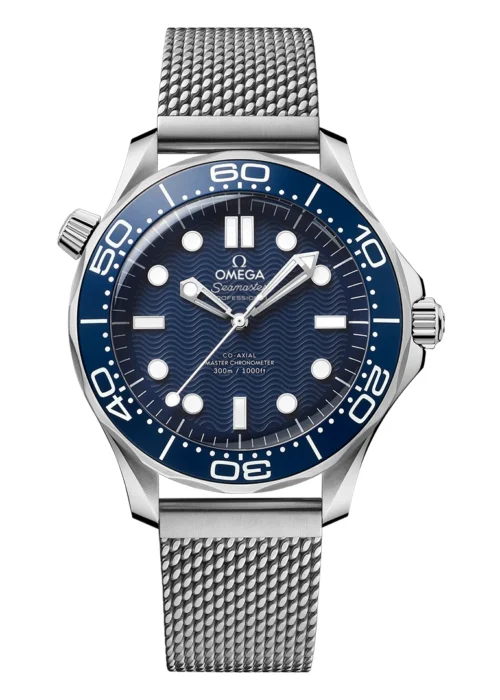
| Omega Seamaster Diver 300M 210.30.42.20.01.001 | 42 mm | 13.6 mm | Calibre 8800 (METAS) | 55 h | 0/+5 s/day | 300 m | 316L, sapphire |
| Oris Aquis Date Calibre 400 (41.5 mm) | 41.5 mm | 13.0 mm | Calibre 400 | 120 h | −3/+5 s/day | 300 m | 316L, sapphire |
| Longines HydroConquest (41 mm) | 41 mm | 12.0 mm | L888 (ETA-based) | 72 h | chronometer-grade | 300 m | 316L, sapphire |
| Christopher Ward C60 Trident Pro 300 | 40 mm | 11.3 mm | Sellita SW200-1 | 38 h | brand-regulated | 300 m | 316L, sapphire |
| Seiko Prospex SPB143 | 40.5 mm | 13.2 mm | 6R35 | 70 h | −15/+25 s/day | 200 m | 316L, sapphire |
The structural gap is smaller than the price gap suggests. All seven references use a flat sapphire crystal, a signed screw-down crown, and a unidirectional 60-minute bezel. The only meaningful material difference is 904L stainless steel on the Rolex versus 316L on every alternative — a real but marginal advantage in saltwater corrosion resistance, not something you will feel in daily wear.
How Do Craftsmanship and Aesthetic Details Perform in Daily Wear?
Dial Construction and Hand Finishing
At arm’s length, the Tudor Black Bay 58 has the most cohesive vintage grammar: a matte black dial, applied gilt markers, and a domed sapphire crystal that softens light. The Omega Seamaster Diver 300M is the opposite — a laser-engraved ceramic wave dial with rhodium-plated hands that reads more technical and modern. Hand finishing differences are real: Tudor and Omega use polished, beveled hand sets with tight chamfer lines, while the Christopher Ward and Seiko hands are clean but flatter under magnification. Lume is another honest differentiator. Rolex uses blue Chromalight; Tudor, Seiko, and Longines use green-emitting compounds that fade noticeably faster after the first 20 minutes in darkness, while Omega’s Super-LumiNova and Oris’s application sit between the two in perceived duration.
Case Finishing and Bezel Action Field Test
Case finishing follows price: the Omega and Tudor combine brushed top surfaces with polished flanks cleanly enough to pass a loupe test, while the Longines and Christopher Ward use more uniform brushing that hides scratches better. Bezel action is where the hierarchy shows fastest. The Rolex and Oris bezels click with a damped, hydraulic precision; the Omega 120-click ceramic bezel is slightly lighter but still tight; the Seiko SPB143 bezel is secure but has more lateral play and a lighter detent. Ceramic inserts on the Tudor, Omega, Oris, Longines, and Christopher Ward resist fading and scratching far better than the Seiko’s aluminum insert.
Bracelet Ergonomics and Wearing Comfort Compared
On a 6.5-inch wrist, the Tudor Black Bay 58’s rivet-style bracelet and 39mm case disappear under a cuff; the Omega’s five-link bracelet is heavier but more flexible. The Oris Aquis has integrated lugs, which limits strap-swapping but improves wrist integration. The weakest clasp in the group is the Seiko’s stamped diver clasp with limited micro-adjustment; the strongest quick-adjust systems belong to Christopher Ward and Omega. A full steel diver on bracelet typically weighs 150–180 grams, so micro-adjustment matters more than most buyers expect in summer.
Are These Automatic Movements Reliable for Daily Winding and Wear?
Yes — with caveats about regulation and service intervals. The Tudor MT5402, Omega Calibre 8800, and Oris Calibre 400 are the standouts: silicon or non-magnetic balance components, 55–120 hours of power reserve, and tighter daily-rate windows than the Seiko 6R35 (−15/+25 s/day) or the Sellita SW200-1. The Omega 8800 is METAS-certified to 15,000 gauss of magnetic resistance, the most robust in this group; the Rolex 3235 uses a Parachrom hairspring with comparable real-world immunity. Service economics differ too: Rolex and Oris recommend roughly 10-year intervals, Omega 5–8 years, while ETA/Sellita-based movements remain the cheapest and easiest to service through independent watchmakers. If you rotate watches daily, choose 70 hours of power reserve or more so the watch is still running when you return to it.
What Is the Value Proposition of These Accessible Luxury Alternatives?
The value proposition is simple: you can buy 85–90% of the Submariner’s wearing experience at 25–50% of the cost, and in some cases with superior movement specifications. A Tudor Black Bay 58 offers a 70-hour in-house automatic movement and a 39mm case for roughly $3,800–$4,000; an Omega Seamaster Diver 300M delivers METAS chronometry and 300m water resistance for roughly $5,600–$5,900; an Oris Aquis Calibre 400 offers a five-day power reserve and a 10-year service interval for around $3,500. Depreciation is the honest trade-off: Tudor retains roughly 80–85% on the secondary market, Omega 60–70%, while Longines, Christopher Ward, and Seiko lose more in absolute terms but start so low that the total cost of ownership is still modest. For current inventory, specifications, and pricing across the full mechanical range, browse the luxury mechanical watch collection.
What Are the Pros and Cons of These Luxury Diver Watches?
Pros
- Genuine automatic movements ranging from workhorse Sellita/ETA calibers to in-house Tudor, Omega, and Oris architectures with 38–120 hours of power reserve
- Sapphire crystal and 200–300m water resistance on every reference listed
- Ceramic bezel inserts on Tudor, Omega, Oris, Longines, and Christopher Ward resist scratches and UV fading
- 39–42mm cases and 11.3–13.7mm thicknesses suit wrists from 6.25 to 8 inches
- Entry prices from roughly $1,050 make genuine mechanical craftsmanship genuinely accessible
Cons
- 316L stainless steel on every alternative; the Rolex 904L stainless steel advantage is real but marginal in saltwater
- Bracelet micro-adjustment lags Rolex’s Glidelock on several references, especially the Seiko
- Seiko 6R35 and Sellita SW200-1 accuracy windows are wider than COSC or METAS standards
- In-house calibers (Tudor, Omega, Oris) carry higher long-term service costs than ETA/Sellita alternatives
Final Verdict: Who Should Buy a Submariner Alternative?
Overall score: 9.0/10 for the category as a buying proposition. This is the best luxury diver watch buying guide conclusion we can give: if you want the Submariner’s architecture — automatic movement, sapphire crystal, 200m+ water resistance, ceramic bezel, and a bracelet that disappears on the wrist — you no longer need to pay the Submariner’s secondary-market premium. Buy the Tudor Black Bay 58 if you want vintage proportion and the strongest resale; buy the Omega Seamaster Diver 300M if you want METAS chronometry and modern tool-watch presence; buy the Oris Aquis Calibre 400 if you value the five-day power reserve and 10-year service interval; buy the Christopher Ward C60 Trident Pro 300 or Longines HydroConquest if you want the least expensive serious entry point. The only buyers who should hold out for the Rolex are those who specifically want the 904L stainless steel case, the Glidelock clasp, or the brand’s long-term liquidity — all real advantages, but none required to enjoy a superb dive watch.
Editorial note: We receive no compensation from the manufacturers referenced in this guide. Specifications were verified against brand-published datasheets and community measurements as of early 2025. For current availability and full mechanical specifications, explore the luxury mechanical watch collection here.
Data Sources & References
- Rolex Submariner 126610 specifications — rolex.com
- Tudor Black Bay 58 MT5402 technical sheet — tudorwatch.com
- Omega Seamaster Diver 300M Calibre 8800 — omegawatches.com
- Oris Aquis Date Calibre 400 — oris.ch
- Longines HydroConquest L888 — longines.com
- Christopher Ward C60 Trident Pro 300 — christopherward.com
- Seiko Prospex SPB143 / 6R35 — seikowatches.com
- Secondary market pricing context — chrono24.com